

Check-up SINGLE VISIT
What can i expect when i come for a Check-up?
Dental Examination
- Thorough examination of teeth and gums.
Oral Health Review
- Assessment of your overall oral health.
Discussion & Guidance
- Discussion of any concerns or issues.
Treatment Recommendations
- Personalized treatment recommendations.
Dental Cleaning
- Dental cleaning, if needed.
Frequently Asked Questions
1. What is a dental check-up?
2. How often should I visit?
3. What happens during a check-up?
Cleaning (if required)
X-rays (if indicated)
Treatment planning
4. Are dental check-ups painful?
5. Do I need X-rays every time?
6. Why are regular check-ups important?
7. How long does a check-up take?
8. Can I eat before my appointment?

Digital X-Rays SINGLE VISIT
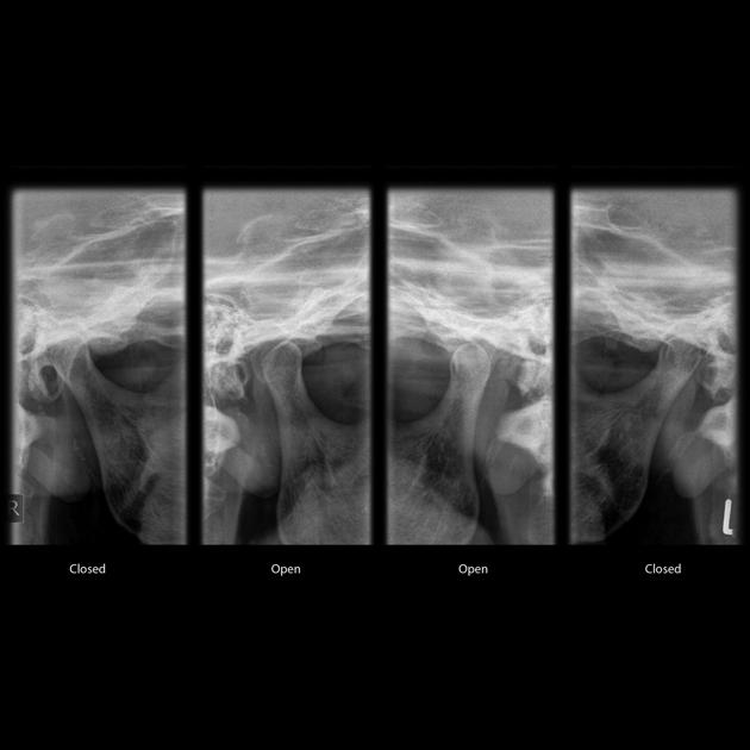
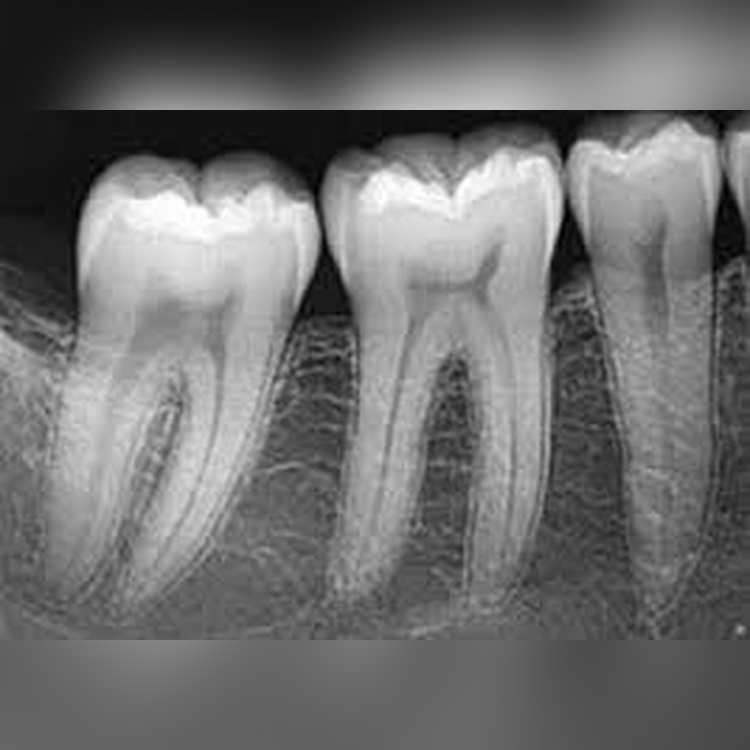
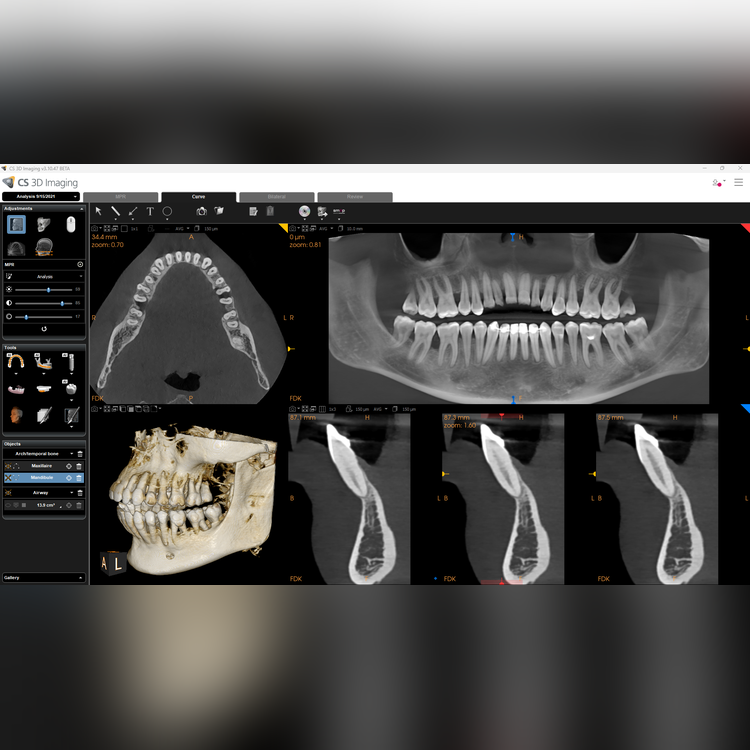
At our clinic, we use state-of-the-art digital X-rays including individual 2d imaging , full mouth imaging (OPG) & sectional 3D imaging for precise diagnosis .These images help us detect hidden dental issues, plan treatments, and monitor your oral health. Digital X-rays are safe, efficient, and minimize your exposure to radiation, ensuring your well-being during the process.
What can i expect when i come for Digital X-Rays
X-Ray Imaging
- Quick and painless X-ray imaging.
Radiation Safety
- Minimal radiation exposure.
Diagnosis Support
- Enhanced diagnosis and treatment planning.
Treatment Discussion
- Discussion of findings and any necessary treatments.
Frequently Asked Questions
1. What are dental X-rays?
2. What is an OPG?
Useful for assessing wisdom teeth, jaw joints, and overall dental status.
3. What is a CBCT?
Commonly used for implants, impacted teeth, and complex cases.
4. Are dental X-rays safe?
5. How often do I need dental X-rays?
6. Do X-rays hurt?
7. How long does imaging take?
OPG: 7-10 seconds
CBCT: 15-30 seconds
8. Do I need special preparation?
9. Are dental X-rays safe during pregnancy?


Oral Prophylaxis SINGLE VISIT
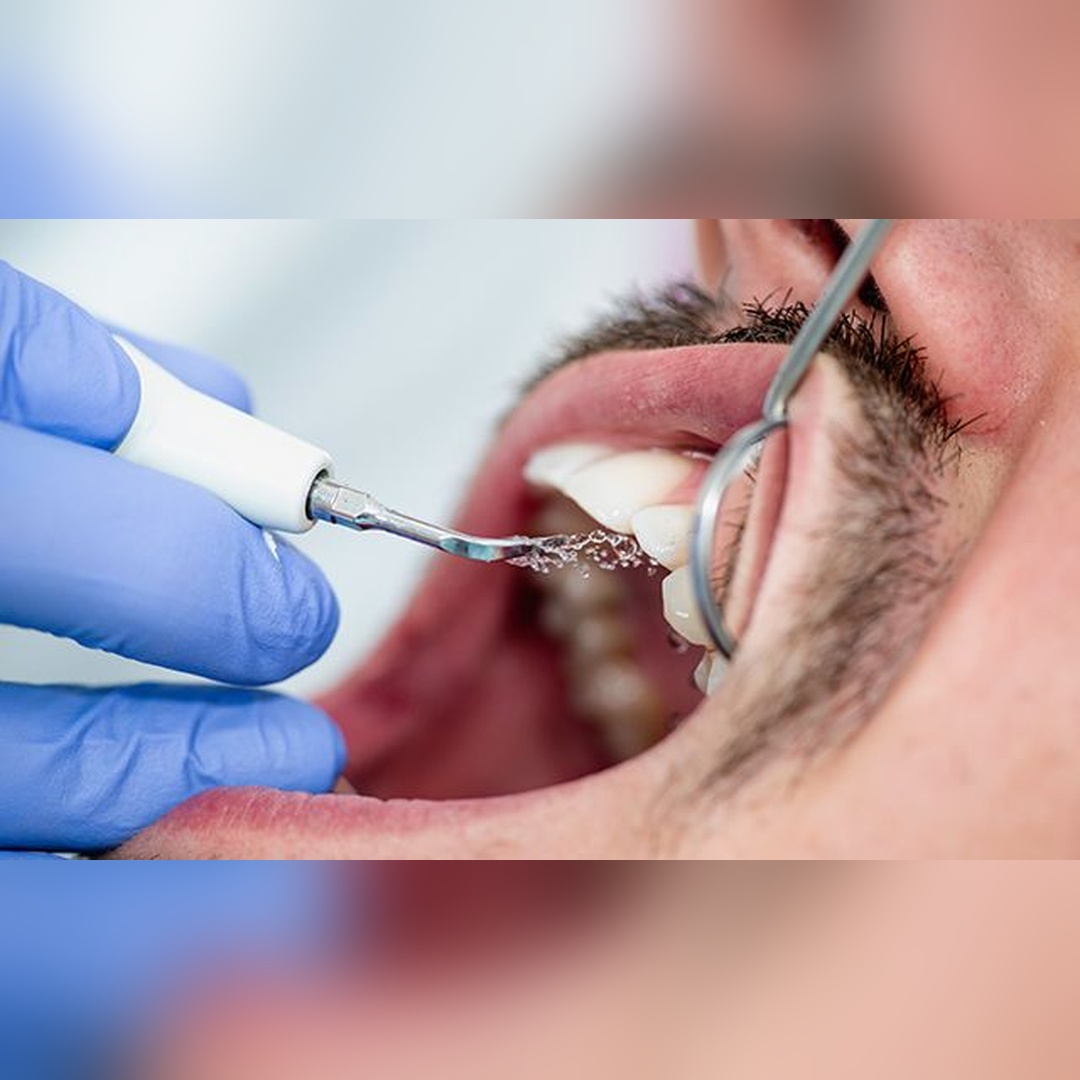
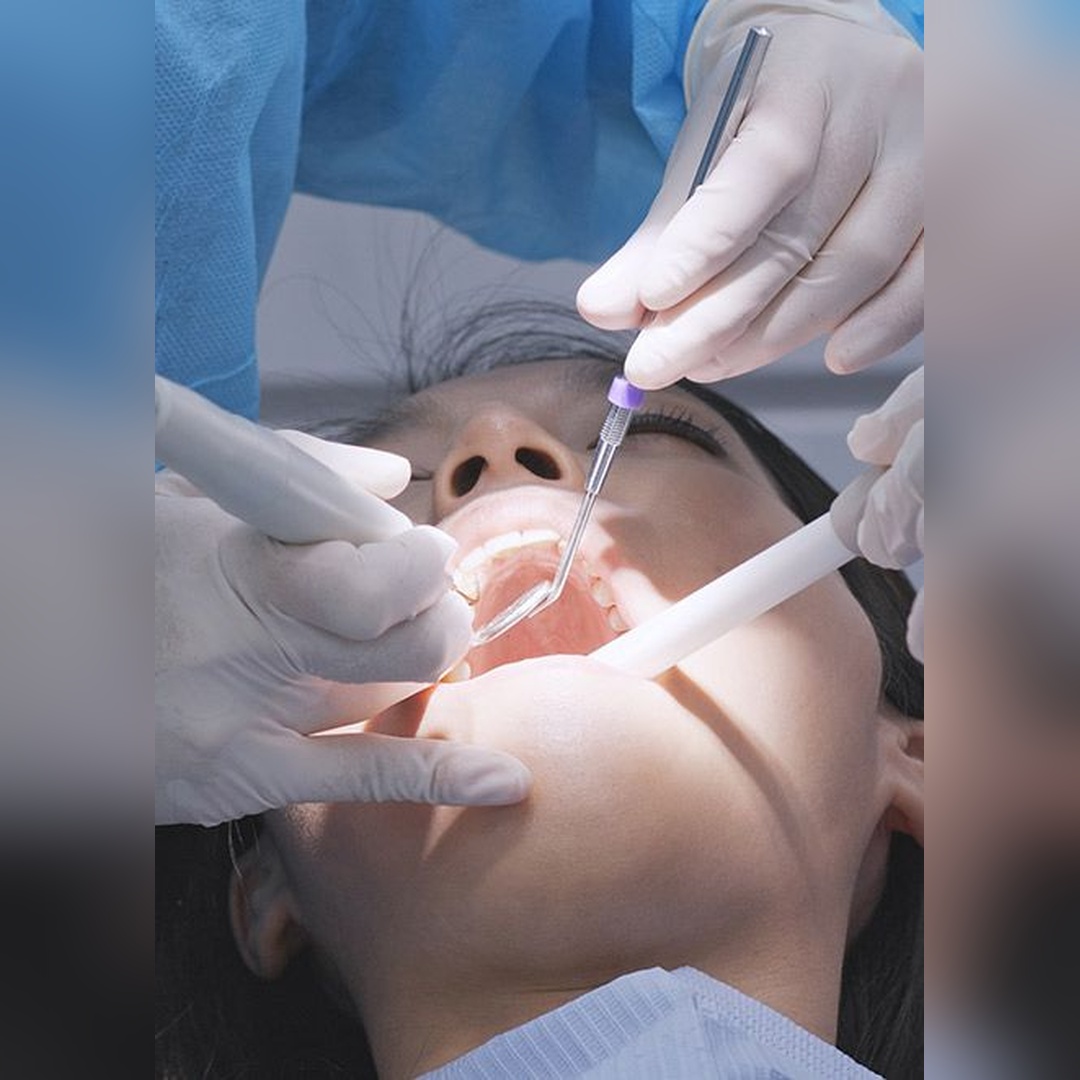
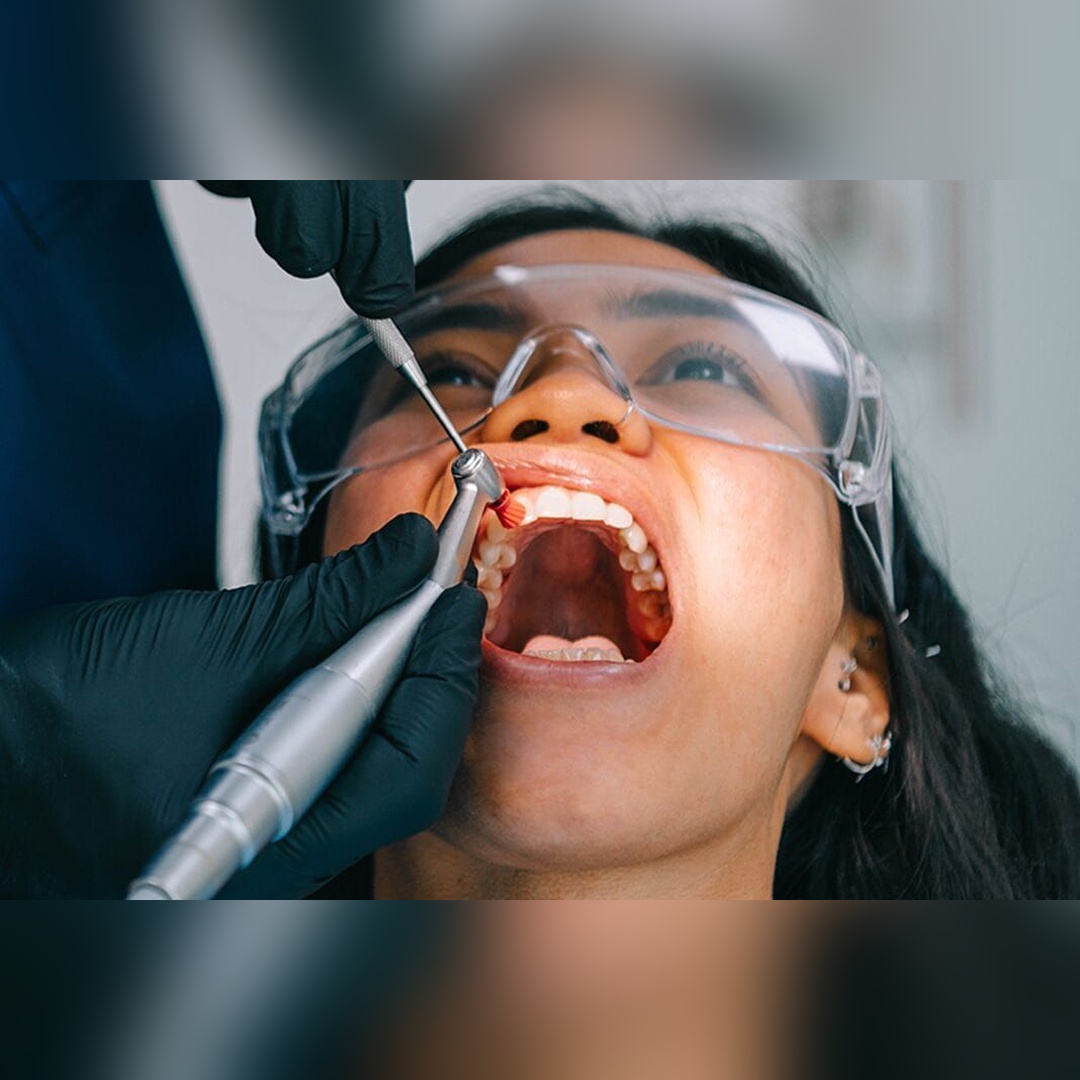
Oral prophylaxis is a preventive dental procedure aimed at maintaining optimal oral hygiene and preventing gum disease. It involves the thorough removal of plaque, calculus (tartar), and surface stains from the teeth areas that routine brushing and flossing often miss.
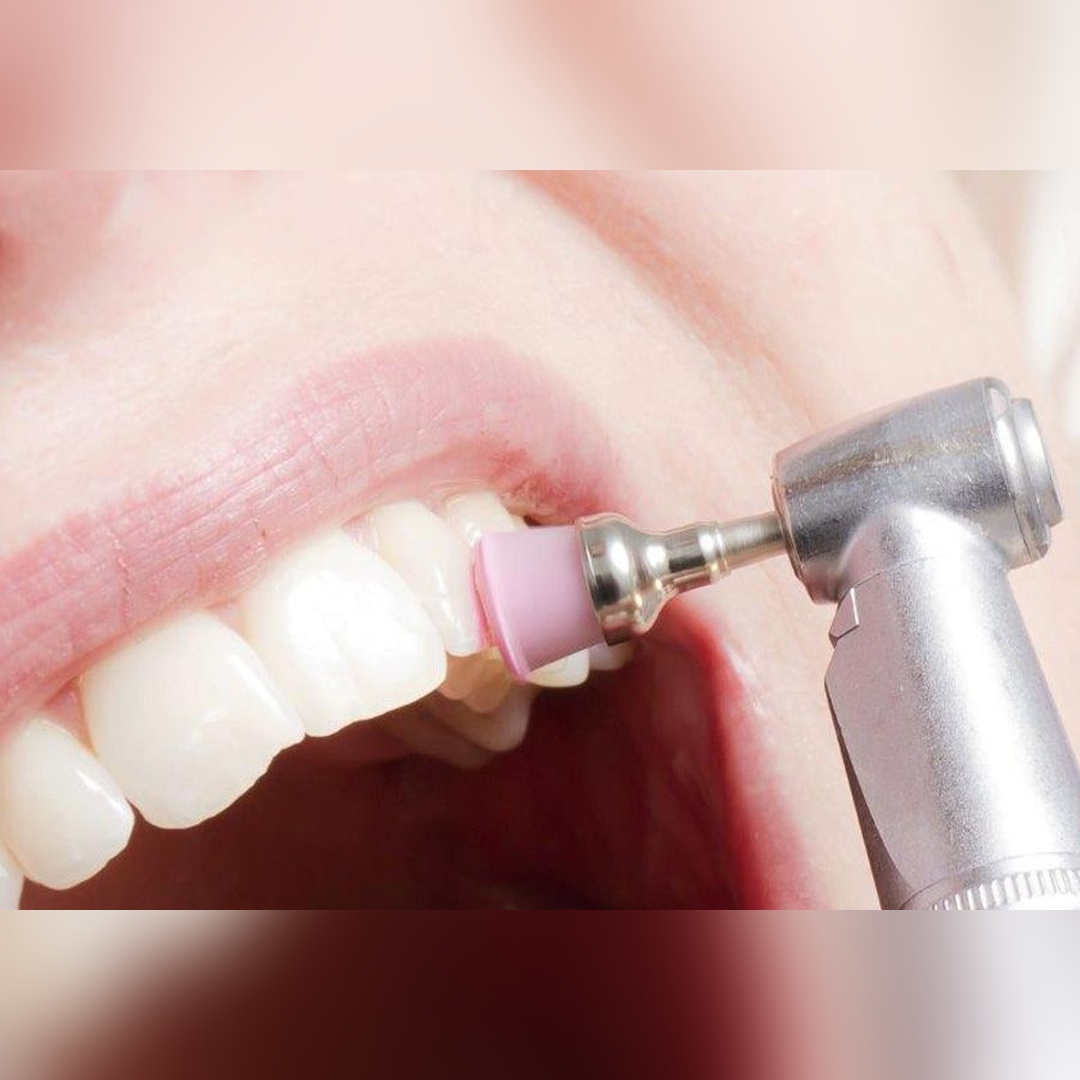
During the procedure, a dentist or hygienist uses ultrasonic scalers and fine hand instruments to clean above and slightly below the gum line. This is typically followed by polishing with a mildly abrasive paste to smoothen tooth surfaces, making it harder for plaque to reattach. In some cases, fluoride may be applied to strengthen enamel and reduce sensitivity.
Regular oral prophylaxis plays a crucial role in preventing conditions like gingivitis (early gum inflammation) and periodontitis (advanced gum disease that can lead to tooth loss). It also helps in early detection of dental issues such as cavities, worn restorations, or oral lesions.
The procedure is generally painless, though patients with sensitive teeth or inflamed gums may experience mild discomfort, which is temporary. Post-cleaning, teeth often feel smoother, look brighter, and overall oral freshness is noticeably improved.
What can i expect when i come for Cleaning?
Plaque & Tartar Removal
- Thorough removal of plaque and tartar buildup.
Teeth Polishing
- Polishing of teeth for a smooth, clean surface.
Oral Health Examination
- Examination of your oral health.
Oral Care Guidance
- Personalized advice for at-home oral care.
Fresh & Clean Feeling
- A fresh, rejuvenated feeling in your mouth.
Frequently Asked Questions
1. How often is oral prophylaxis/scaling required?
2. Will the procedure hurt?
3. How many visits does it require for the complete procedure?
4. What steps are involved in teeth cleaning ?
• Polishing – Once complete elimination of tartar deposits is achieved, special prophylactic pastes are applied to the tooth surfaces and polished with rubber cups and polishing brushes attached to a handpiece. Polishing helps to remove superficial stains and render the surface smooth which also prevents debris from attaching to the teeth afterwards.
5. Now that my teeth are cleaned, do I really need to floss?


Dental Filling SINGLE VISIT
Tooth Filling or Cavity Filling, is a treatment modality used to address tooth decay and structural damage issues. This procedure involves filling missing or decayed tooth structures with different materials. Tooth cavity filling improves the function of the teeth, strengthens weakened teeth, and preserves tooth structure.
The tooth structure is usually destroyed due to tooth decay or trauma. A Dental Filling helps to fill this gap and protect it from further decay. It is also used to repair broken or cracked teeth that can wear off because of dental habits like teeth grinding and nail-biting.
Filling materials can include Composite, Ceramic, GIC, etc., used to even out tooth surfaces for better functionality, including biting or chewing.
What can i expect when i come for Fillings?
Pain-Free Comfort
- Local anesthesia administered for a pain-free experience
Decay Removal
- Thorough removal of decayed or damaged tooth structure
Tooth Restoration
- Tooth restored using durable filling material
Natural Finish
- Natural appearance and comfortable bite restored
Aftercare Guidance
- Detailed aftercare and oral hygiene instructions provided
Frequently Asked Questions
1. What material do dental fillings consist of?
• Silver Amalgam – consists of mercury with tin, zinc, silver, and copper
• Composite Resin Fillings – consist of Tooth-colored plastic
• GIC – Contains Acrylic and Glass Material
2. Why or when would a Dental Filling need to be replaced?
3. What’s it Like After Getting a Filling?
4. Can a dental filling fall off?
5. Why do I feel pain around my Dental Filling?
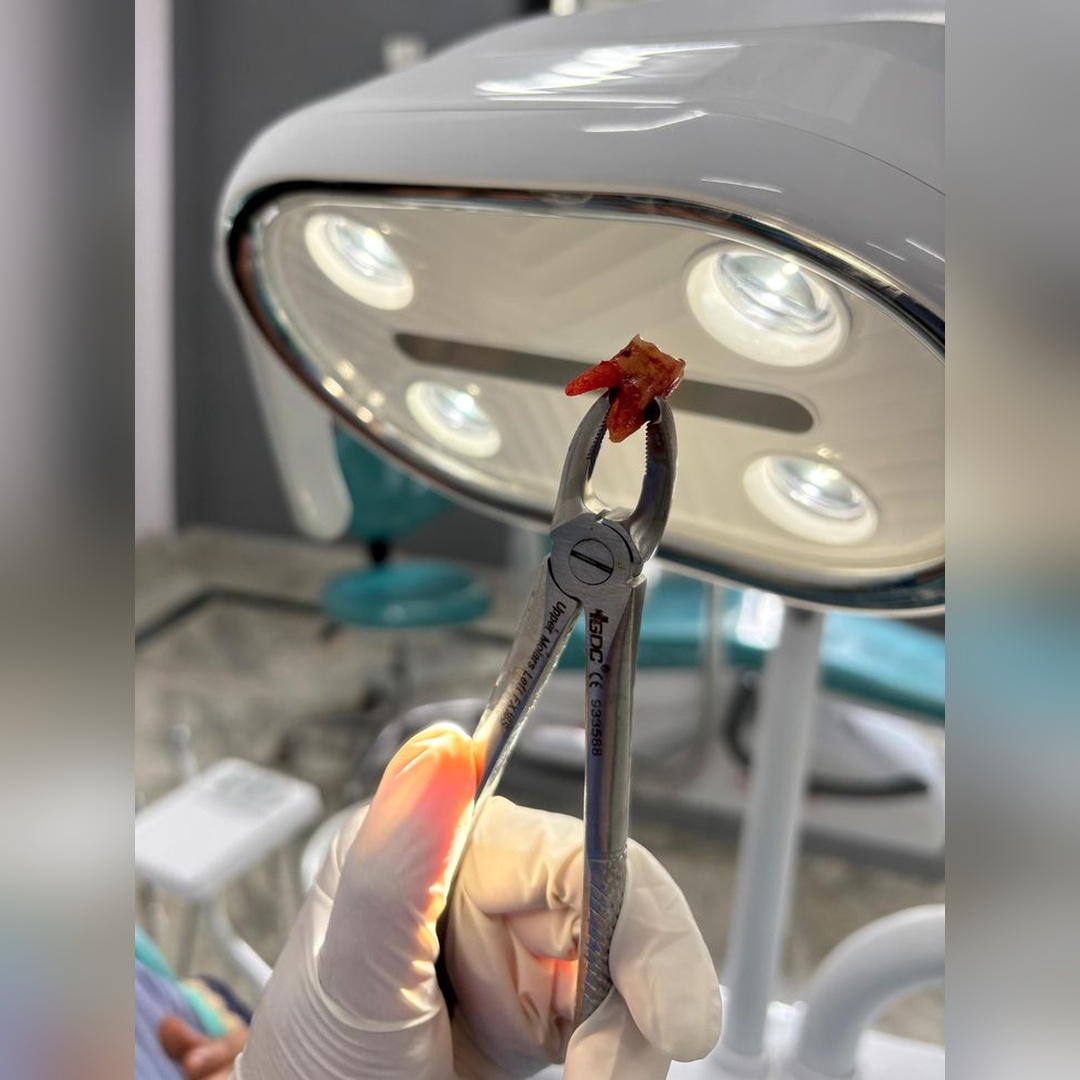
ExtractionsSINGLE VISIT
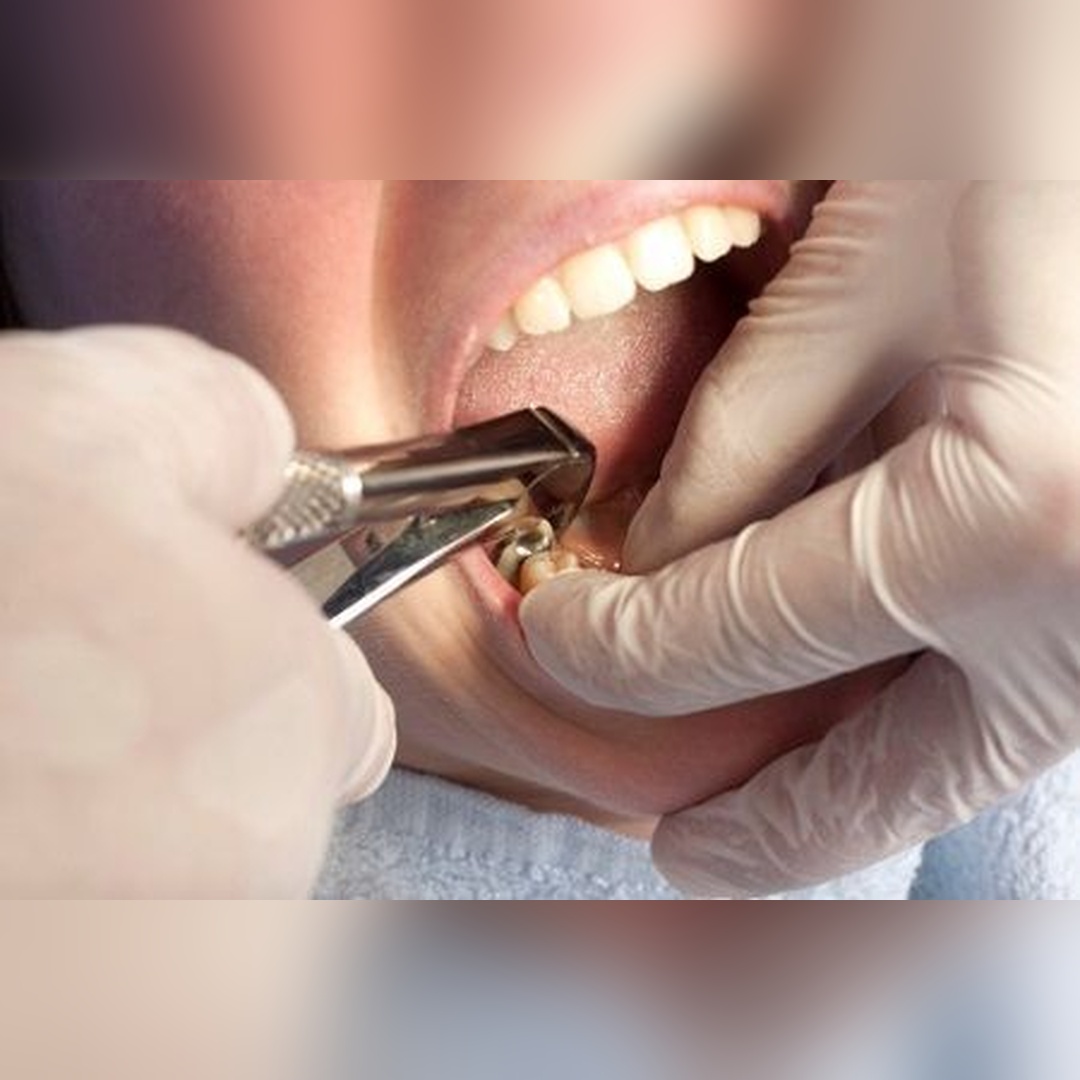
It is a routine, minimally invasive procedure commonly performed for teeth that are severely decayed, mobile due to gum disease, fractured beyond repair, or causing crowding.
The procedure is carried out under local anaesthesia to ensure complete patient comfort. Once the area is numb, the tooth is gently loosened using specialised instruments (elevators) and then removed using forceps. Care is taken to preserve surrounding bone and soft tissue, making the process atraumatic and controlled.
Recovery is typically straightforward. Patients may experience mild discomfort or swelling for a day or two, which is manageable with prescribed medication. A blood clot forms in the extraction site, which is essential for proper healing, so patients are advised to avoid vigorous rinsing, smoking, or using straws immediately after the procedure.
Emphasis is placed on precision, sterility, and patient reassurance throughout the process. When indicated, replacement options such as implants, bridges, or prostheses are discussed to restore function and aesthetics following extraction.
Overall, non-surgical extractions are safe, efficient, and form a foundational component of comprehensive dental care.
What can i expect when i come for Extractions?
Tooth Evaluation
- Assessment of the tooth condition and extraction necessity
Comfort Anesthesia
- Local anesthesia administered to numb the treatment area
Gentle Extraction
- Careful and gentle removal of the problematic tooth
Recovery Guidance
- Post-extraction care instructions for smooth healing
Continued Support
- Ongoing support and guidance for any concerns
Frequently Asked Questions
1. Will the extraction be painful?
2. How long does a simple tooth extraction take?
3. Will I need painkillers or antibiotics?
Antibiotics: Only if clinically indicated (not routine for all cases)
You’ll be given a clear, personalised prescription.
4. How should I care for the extraction site?
- Avoid rinsing, spitting, or using straws for the first 24 hours
- Eat soft, lukewarm foods
- Maintain oral hygiene, avoiding the extraction area initially
- Detailed instructions will be provided.
5. When can I eat after the extraction?
6. What can i expect after an extraction ?
7. What should I avoid after the extraction?
- Vigorous rinsing or spitting
- Hard, spicy, or very hot foods initially
These can interfere with healing.
8. What is a dry socket, and can it be prevented?
Prevention includes:
- Following post-op instructions carefully
- Avoiding smoking and forceful rinsing
- When should I contact the clinic?
- Reach out if you experience:
- Severe or increasing pain after 2–3 days
- Persistent bleeding
- Swelling that worsens instead of improving
- Fever or unusual symptoms
9. Do I need to replace the extracted tooth?
The Niramaya Difference
Prevention-Centred Approach
Early detection and intervention reduce the need for complex treatments.
Time Without Pressure
Appointments allow for thorough evaluation and discussion—never rushed.
Education-Led Care
You leave with clarity on your oral health and next steps.
Consistent Clinical Standards
Strict protocols in sterilisation, materials, and execution.
Care Beyond the Visit
Follow-ups and guidance ensure continuity outside the clinic.