
Dental implants 2-3 VISITS
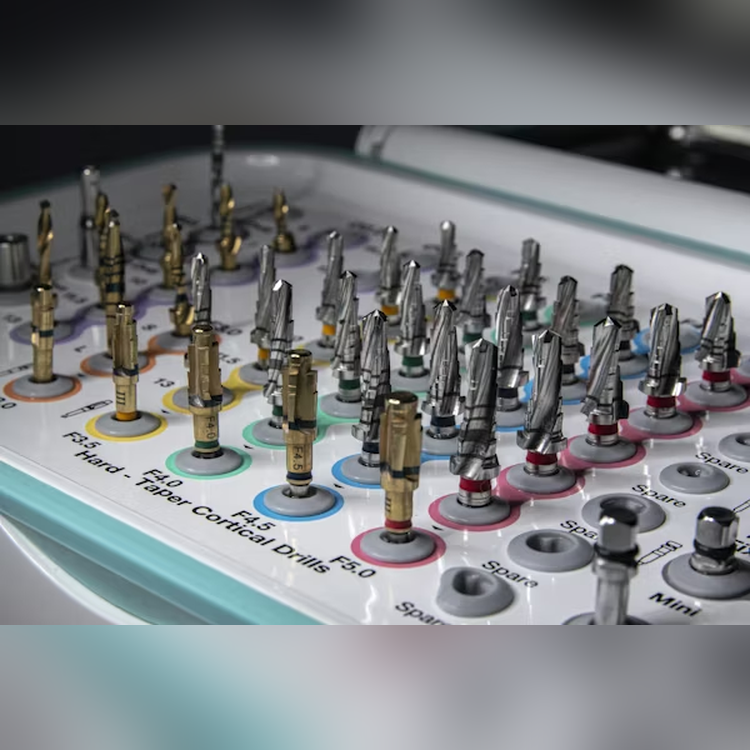
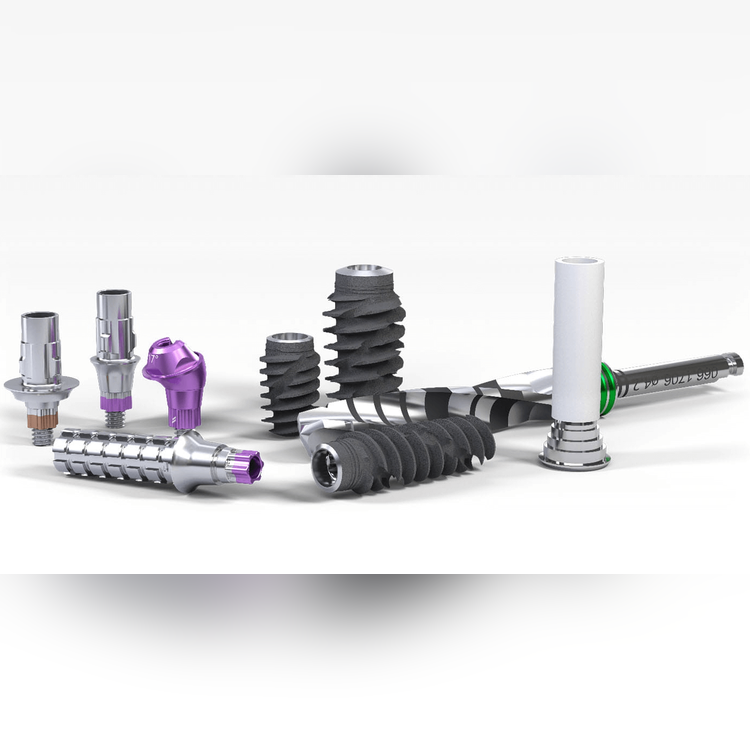
A missing tooth should never be ignored. Neighbouring and opposite teeth tend to collapse into the missing space, causing further complications. While we strive to save your natural teeth, in some cases this may not be possible. That’s where the magic of dental implants come in Implants may be right for you if you have one, few or all missing teeth & are looking for a treatment for fixed replacement. Implants are screws that are placed securely in the jawbone. This now acts as a root for the artificial crown, helping maintain bone health while looking and feeling just like natural teeth.
The Implant Placement Process
Dental Implant Solutions
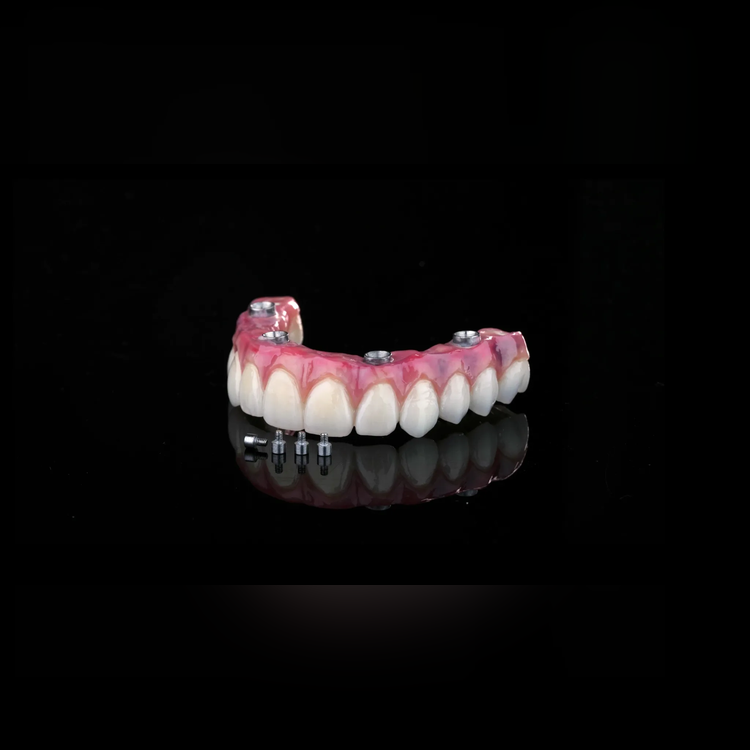
Whether you’re missing a single tooth or multiple teeth, dental implants offer versatile solutions that don’t affect the health of neighboring teeth. They are easy to maintain, as they can be brushed and flossed just like natural teeth.


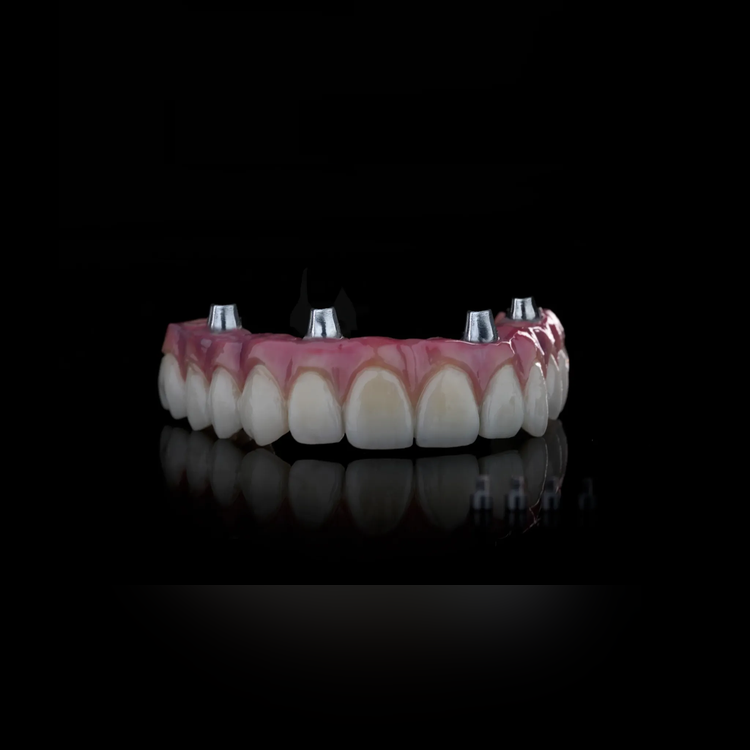


Adjunct procedures
Bone Graft and Sinus Lift Surgery
In some cases, bone graft and sinus lift surgeries may be required to ensure the success of your dental implant procedure. These procedures are performed under local anesthesia to prepare your jaw for the implant.
What can i expect when i come for Dental Implants
Consultation & Planning
- Clinical exam + CBCT imaging
- Assess bone quality and suitability
- Discuss options, timeline, and costs
- Clear explanation of procedure and outcomes
Implant Placement
- Local anaesthesia for a pain-controlled procedure
- Precise implant placement
- Sutures if required
- Post-op instructions and medication
Healing Phase
- 2–4 months for integration (varies by case)
- Review visits to monitor healing
Crown Phase
- Impression/scan for final tooth
- Placement of crown/bridge
- Bite check and finishing
Follow-Up
- Periodic reviews
- Maintenance and hygiene guidance
The Niramaya Difference
3D-Guided Precision Planning
Every implant is positioned using CBCT analysis to optimise bone support, angulation, and prosthetic outcome.
Primary Stability Focus
Implant selection and placement are driven by torque, bone quality, and load management—key to long-term success.
Globally Trusted Systems
We use implant systems and components that meet international standards for integration and durability.
Surgical Control, Not Speed
Procedures are performed with precision and intent—never rushed.
Long-Term Maintenance Built In
Bite balance, hygiene protocols, and periodic reviews ensure sustained performance.
Frequently Asked Questions
1. How many appointments are required for the implant process?
2. Is immediate implant placement possible after extraction?
3. Are there age restrictions for dental implants?
4. Can I get implants if I have diabetes?
Your oral surgeon will likely schedule more frequent follow-up visits to monitor the healing process and ensure proper bone healing occurs.