Dentures

Removable Dentures 2-5 VISITS

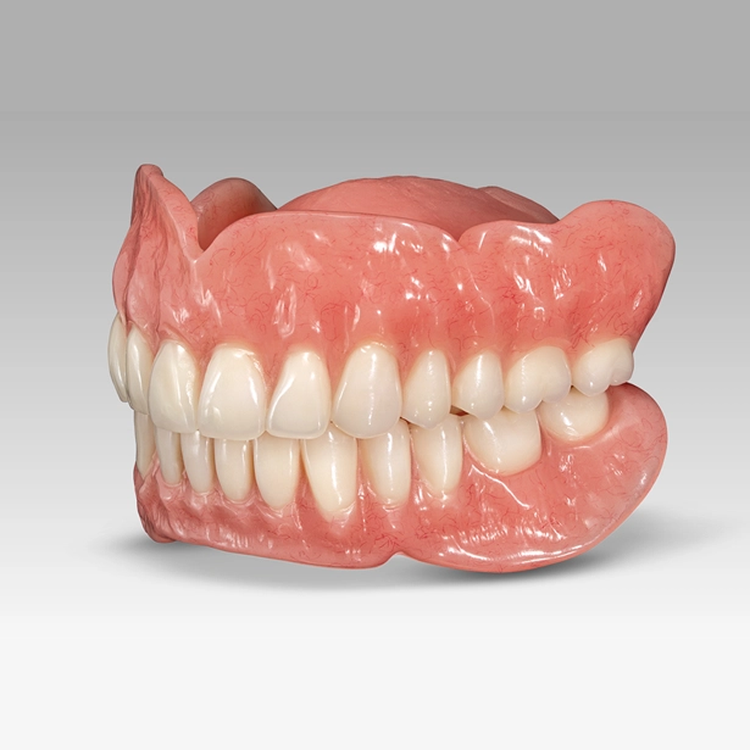
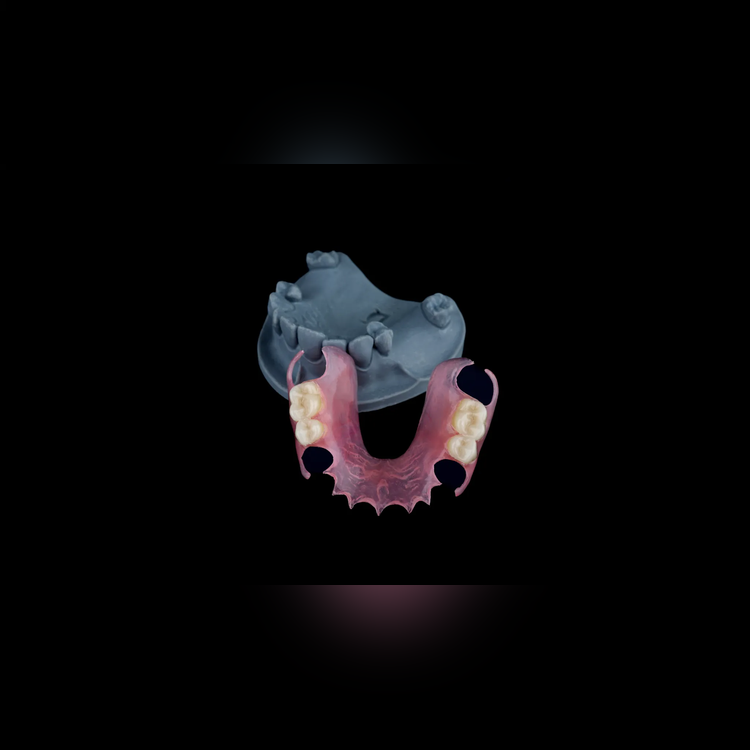
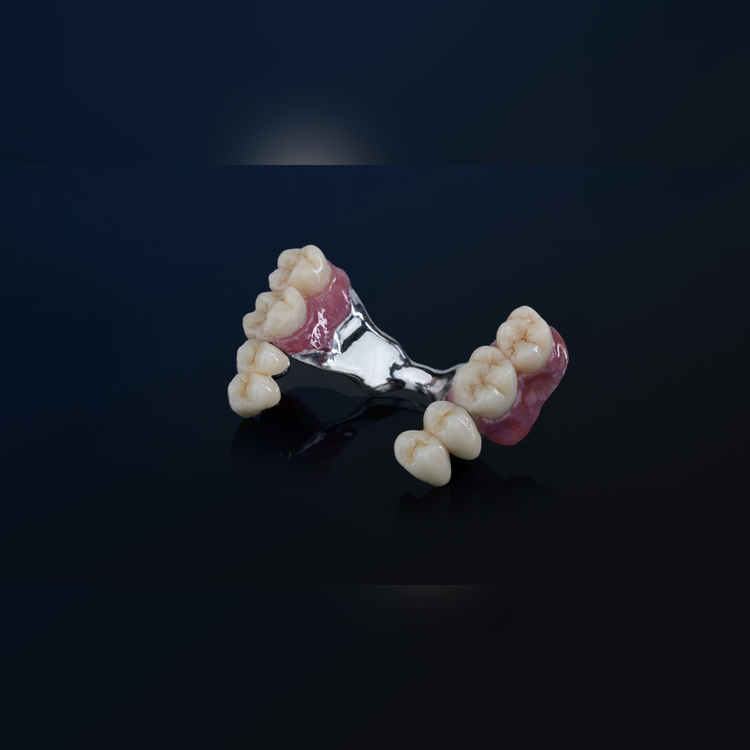
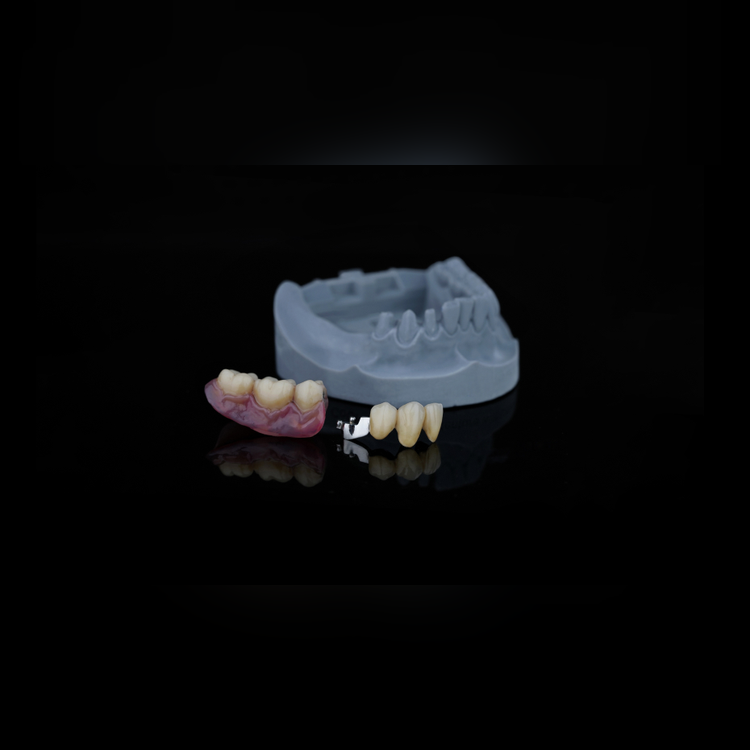
Dentures (also known as false teeth) are appliances that are used as a replacement of missing teeth and tissues. They are artificial teeth which enable normal functioning of the human mouth. Dentures are of two types – Complete & Partial. Complete dentures are advised when all the teeth are missing, and partial dentures are applied when some teeth are missing. They are custom made especially for a set of teeth and gum line. They are conventional dentures and are removed during the night for cleaning. Partial Dentures consist of replacing missing teeth attached to artificial gum connected by a metal framework which helps to hold the denture in place.


Missing teeth can change the position of other teeth hence partial denture helps to overcome this problem and keep the teeth intact.

What can i expect when i come for Removable Dentures

01

Consultation

  • Oral exam (gums, bone support, existing teeth)
  • Discuss your needs, expectations, and concerns
  • Review treatment options and plan
  • Initial impressions if required
  • Clear explanation of timeline and costs
02

Final Impressions

  • Precise moulds taken for accurate fit
  • Functional shaping for better stability
  • Focus on comfort and retention
  • Quick overview of next steps
03

Bite & Design

  • Record your bite and jaw position
  • Decide tooth size, shape, and shade
  • Assess facial support and smile appearance
  • Plan for trial denture
04

Trial (Wax Try-In)

  • Try your denture in a test (wax) form
  • Check look, fit, and speech
  • Make necessary adjustments
  • Final approval before finishing
05

Denture Delivery

  • Place the final denture
  • Check fit and comfort
  • Minor adjustments if needed
  • Instructions on use and care
06

Follow-Up

  • Review comfort and sore spots
  • Fine-tune fit if required
  • Reinforce cleaning and usage tips
  • Ongoing support as you adapt

The Niramaya Difference

Fit That Respects Biology
Dentures are designed based on ridge anatomy, muscle dynamics, and support zones—not just impressions.
Function Before Form
Stability during speech and chewing is prioritised alongside aesthetics, ensuring real-world usability.
Material & Design Integrity
High-quality acrylics and frameworks are selected for strength, comfort, and longevity.
Structured Adaptation Support
We guide you through the adjustment phase with planned reviews and refinements.
Dignity in Everyday Living
The goal is not just replacement of teeth—but restoring confidence in daily interactions.
Everything You Need to Know

Frequently Asked Questions

1. Why is it important to remove dentures at night?
In order to allow gums and bones to relax at night time, removing denture is advised by dentists. Removing bottom or top dentures also allow the gum to come in contact with saliva considered good for the oral health of an individual.
2. Can one sleep with dentures on?
Yes, one can sleep with dentures on. But, for best results and good oral health, it is advised by dentists to remove dentures before sleeping to give space for bones and gums to relax. Since dentures cost a good sum of money, taking good care of them is important.
3. Do dentures hurt?
No, dentures do not hurt at all. It is only at the beginning that patients may feel a little discomfort or uneasiness as they are not used to custom dentures in the mouth.
4. How often should i see the dentist if i have dentures?
Even if you have dentures, it’s recommended to visit the dentist at least twice a year for a check-up. This allows for an assessment of your oral health, the condition of your dentures, and any adjustments needed to ensure proper fit
5. How long does it take to get used to dentures?
It typically takes a few days to weeks to adjust to new dentures.
6. How long do dentures last?
Dentures can last around 5-10 years but might need adjustments or replacements due to wear.
7. How do you clean and care for dentures?
Clean dentures with a soft brush and mild cleanser; soak them overnight and rinse thoroughly.