

ORTHODONTICS BRACES & ALIGNERS 8-18 VISITS /8-18 MONTHS
At Niramaya, we specialize in creating beautifully aligned smiles through orthodontic treatment. Our orthodontic treatments correct misaligned teeth and bite issues , improving both the appearance and long-term health of your smile. Our treatments combine cutting edge technology with personalized care to deliver beautifully balanced healthy smiles.
OUR SERVICES
Dental Braces are a type of fixed orthodontic treatment to straighten teeth. They consist of wires, brackets, and bands .Braces (Teeth Clip) correct a wide range of Dental issues. It includes teeth straightening, jaw positioning, aesthetics, and facial symmetry etc. Teeth Braces improve chewing efficiency, speech clarity, and smile symmetry by gradually shifting teeth into the right position with gentle pressure applied over time.
Dental braces (Teeth Clip) correct several orthodontic issues, including:
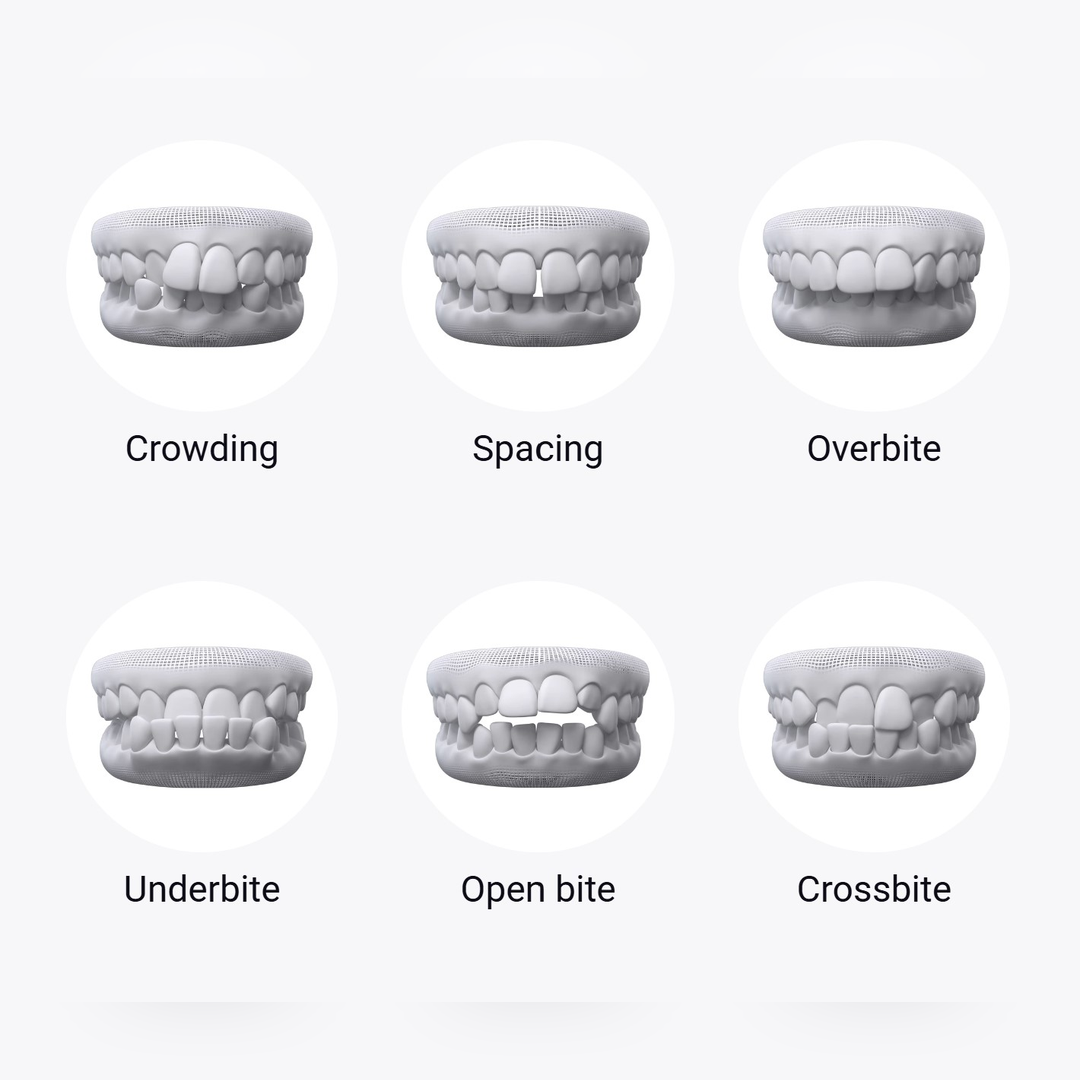

Benefits of Dental Braces
Risks of Not Getting Dental Braces

What can I expect when I come for Braces?
Conventional Braces
Metal Braces
These are time-tested, fixed braces where small brackets are bonded to your teeth and connected with a wire. They allow us to move teeth with a very high level of control and precision. The most robust and reliable system in orthodontics.Why we use them
What you’ll notice
They are visible—but highly efficient. For many cases, especially complex ones, this remains the gold standard.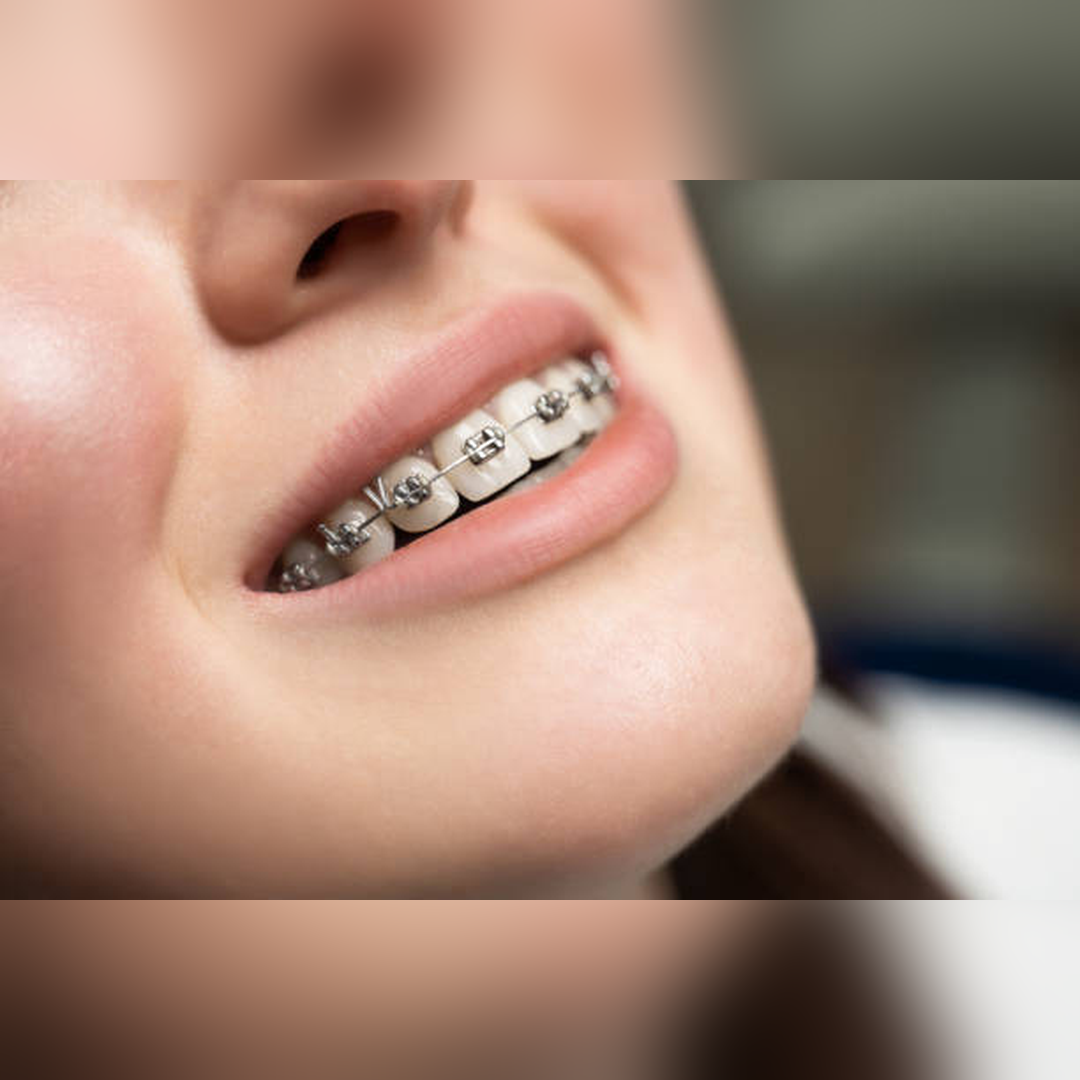
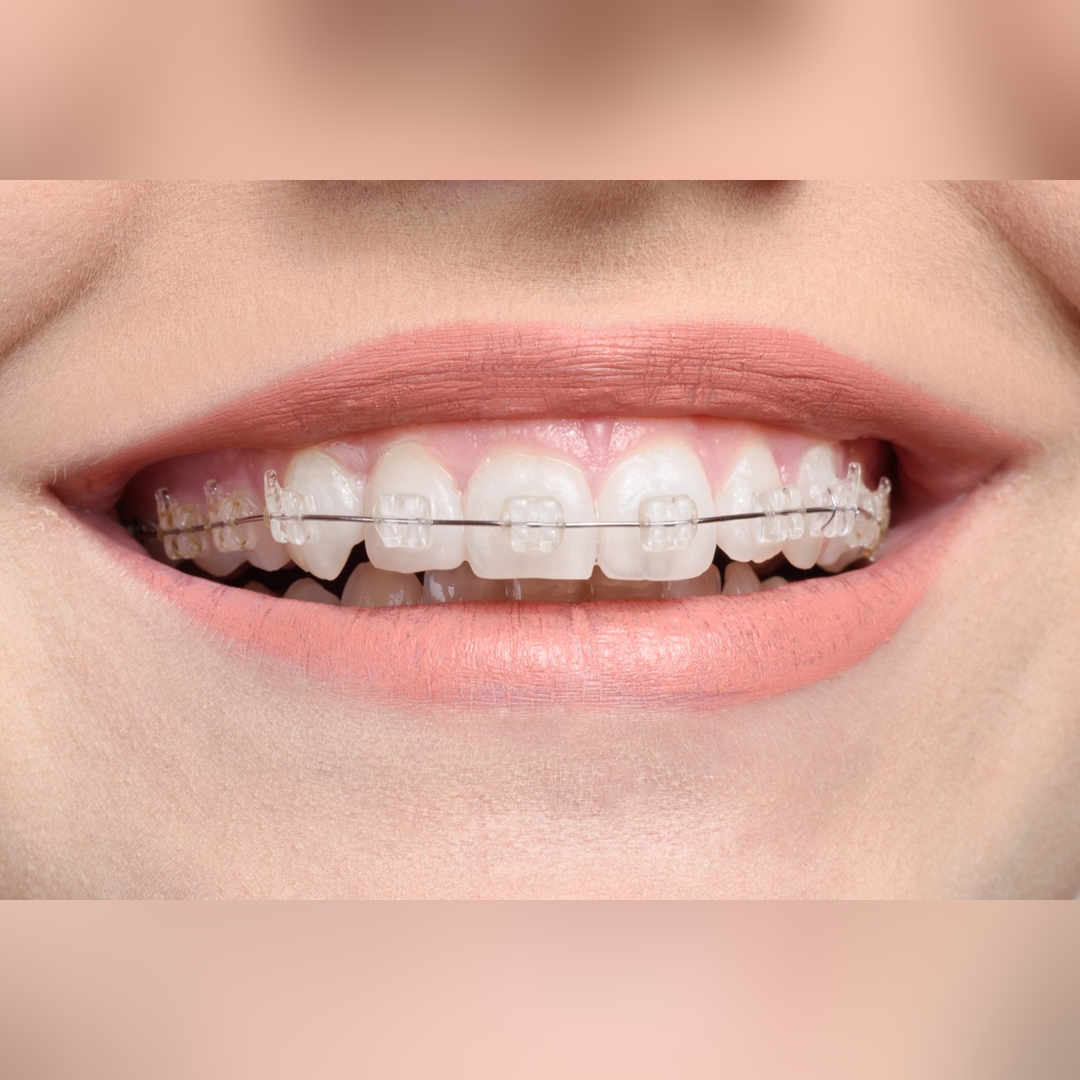
Ceramic Braces
A more aesthetic version of conventional braces, designed to blend with your natural teeth.
Why patients choose them
What to keep in mind
They require slightly more care to maintain their appearance, but deliver excellent results when used appropriately.
Metal Self-Ligating Braces
Best suited for
Patients looking for efficiency, comfort, and reduced chair time.
What you’ll experience
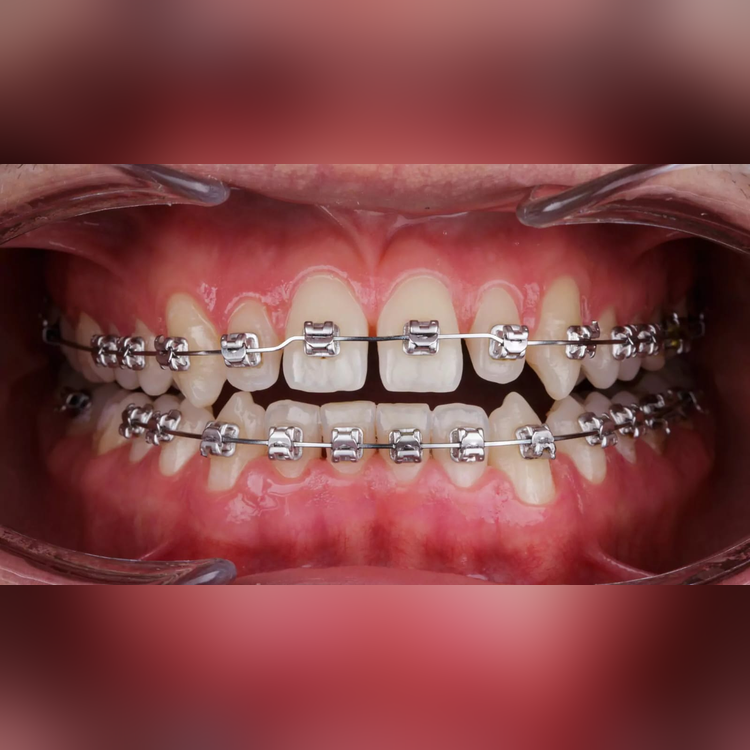
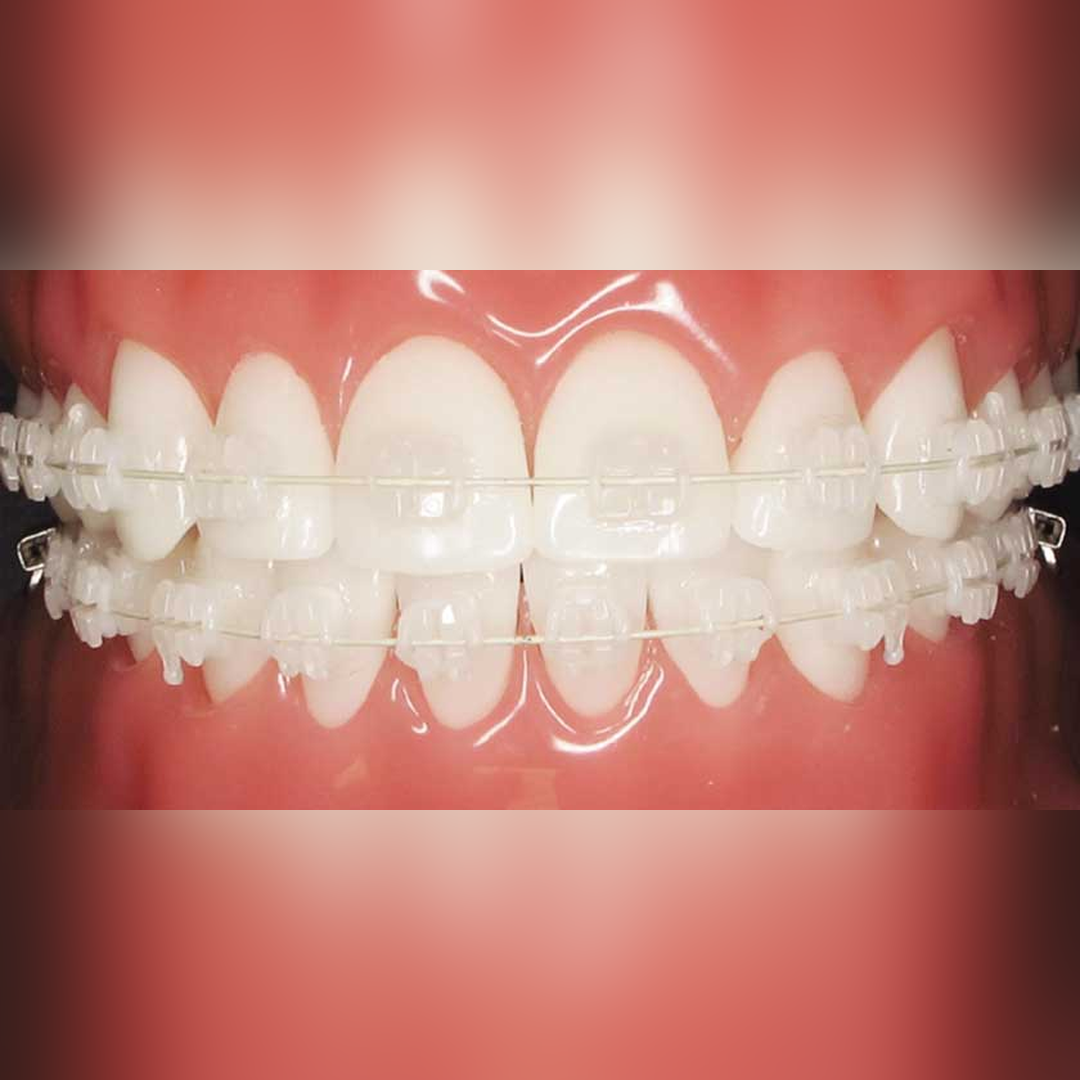
Ceramic Self-Ligating Braces
The aesthetic upgrade
Combines the subtle appearance of ceramic braces with the efficiency of self-ligation.
Why it stands out
DAMON BRACES
What makes it different
- Light, biologically compatible forces
Instead of heavy pressure, we use gentle, continuous forces that allow teeth to move naturally within the bone. - Emphasis on natural arch development
Rather than routinely removing teeth, the approach often focuses on creating space by gently broadening your smile—where appropriate. - Facial aesthetics matter
We don’t just align teeth—we design smiles that support your facial profile, lip support, and overall harmony. - Greater comfort, fewer visits
Patients often report a more comfortable experience with fewer adjustment appointments.
Our clinical stance (honest, evidence-based)
While the Damon philosophy offers meaningful advantages, we do not apply it blindly.
At Niramaya, philosophy never overrides biology or evidence.
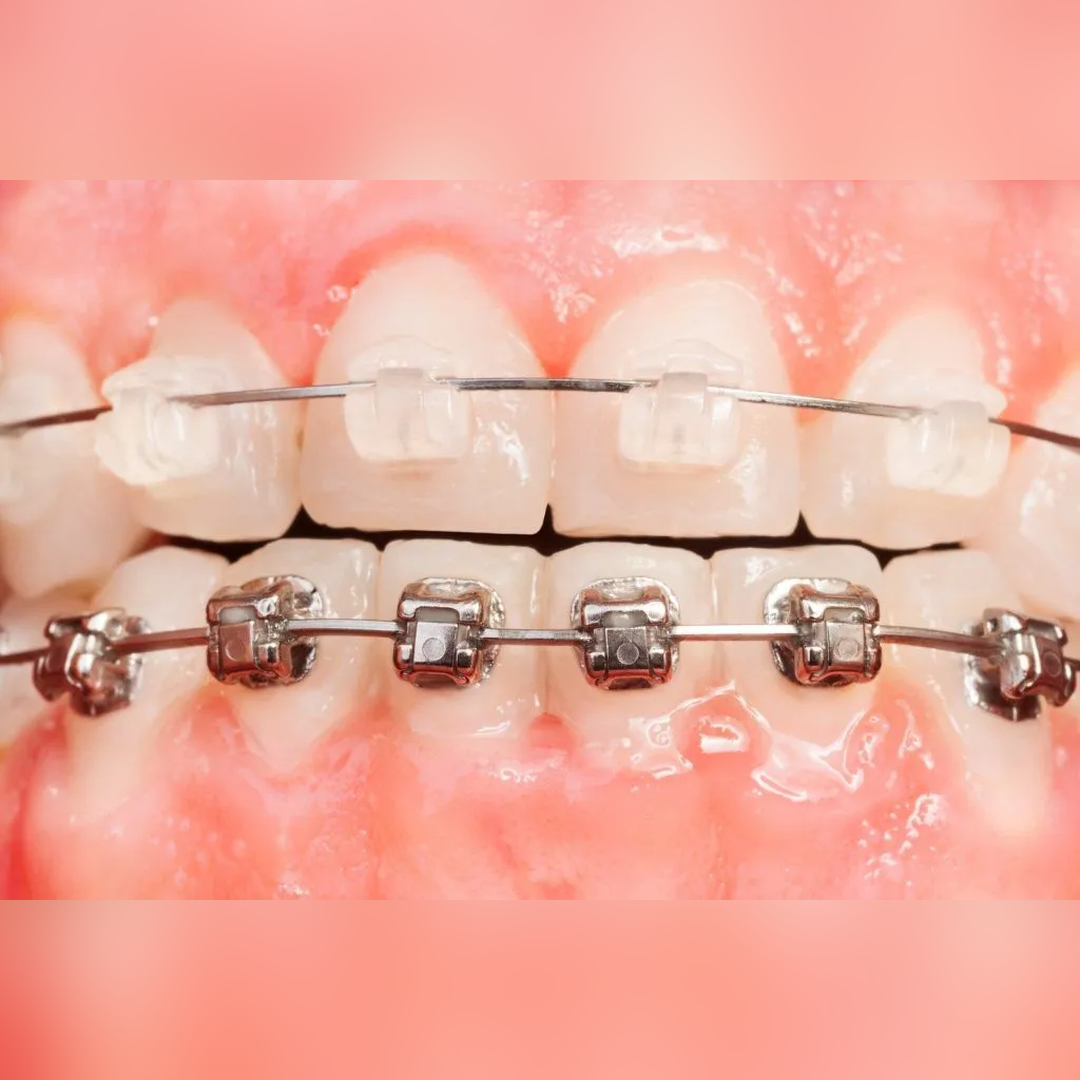
The Niramaya Difference
Biomechanics That Are Planned, Not Forced
Tooth movement is guided using controlled forces for predictable and safe outcomes.
Diagnosis That Considers Growth & Function
We evaluate jaw relationships, growth patterns, and bite—not just alignment.
Customised Appliance Selection
Braces are chosen based on your clinical needs and lifestyle—not a one-size approach.
Regular, Meaningful Adjustments
Each visit is purposeful, ensuring progress stays on track without unnecessary delays.
Stability as the End Goal
Retention and long-term follow-up are integral to maintaining results—not optional add-ons.

Frequently Asked Questions
1. What are the types of braces for teeth?
2. How Long Does It Take To Put Dental Braces On?
3. Are Teeth Extracted For Orthodontic Treatment?
4. Are Tooth Braces Painful?
5. How Long does the braces treatment take?
6. What to avoid eating with braces?
7. What is the difference between Aligners and Traditional Braces?
8. How Often Will I Need to Visit the Dental Clinic for Braces / Aligners?
9. How often will my adjustments be?
Functional & Orthopaedic Appliances
Guiding growth. Correcting the cause—not just the teeth.
Orthodontics in growing children is not only about straightening teeth. In many cases, the underlying issue is how the jaws are developing. Functional and orthopaedic appliances are designed to guide jaw growth early, reducing the need for complex treatment later.
At Niramaya, we intervene at the right time—not too early, not too late—to harness natural growth and create lasting results.
What Are Functional & Orthopaedic Appliances?
These are specialised devices—often removable, sometimes fixed—that influence how the upper and lower jaws grow in relation to each other.
Instead of simply moving teeth into position, these appliances address the foundation of the problem: jaw imbalance.
They are most effective in children and early teenagers, when growth can be guided predictably.

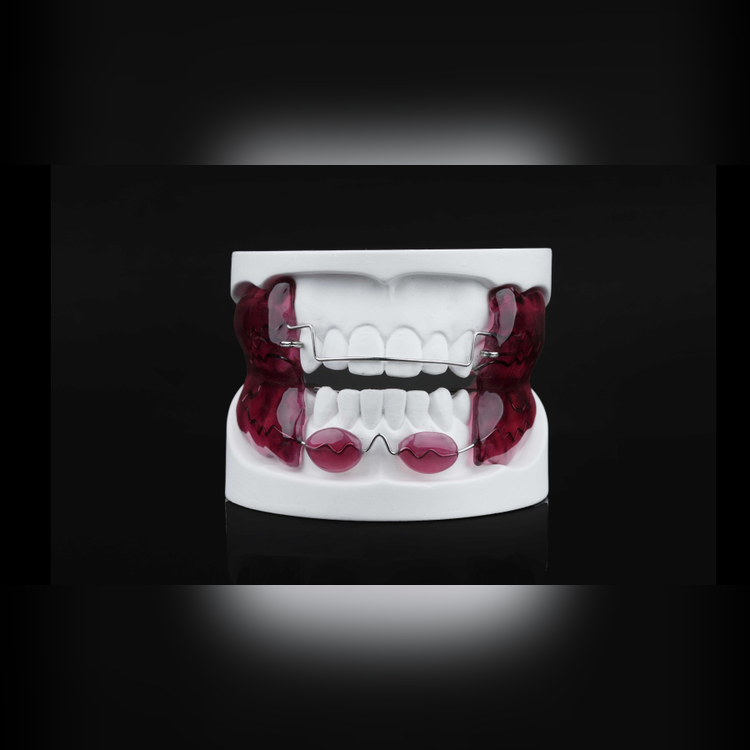
When Do We Recommend Them?
Early correction in these cases can significantly improve both function and facial balance.
Why Timing Matters
Growth is an opportunity—but it’s time-sensitive.
Functional and orthopaedic appliances work best during specific growth phases. When timed correctly, they can:
At Niramaya, we use careful clinical assessment to identify this “window of opportunity.”

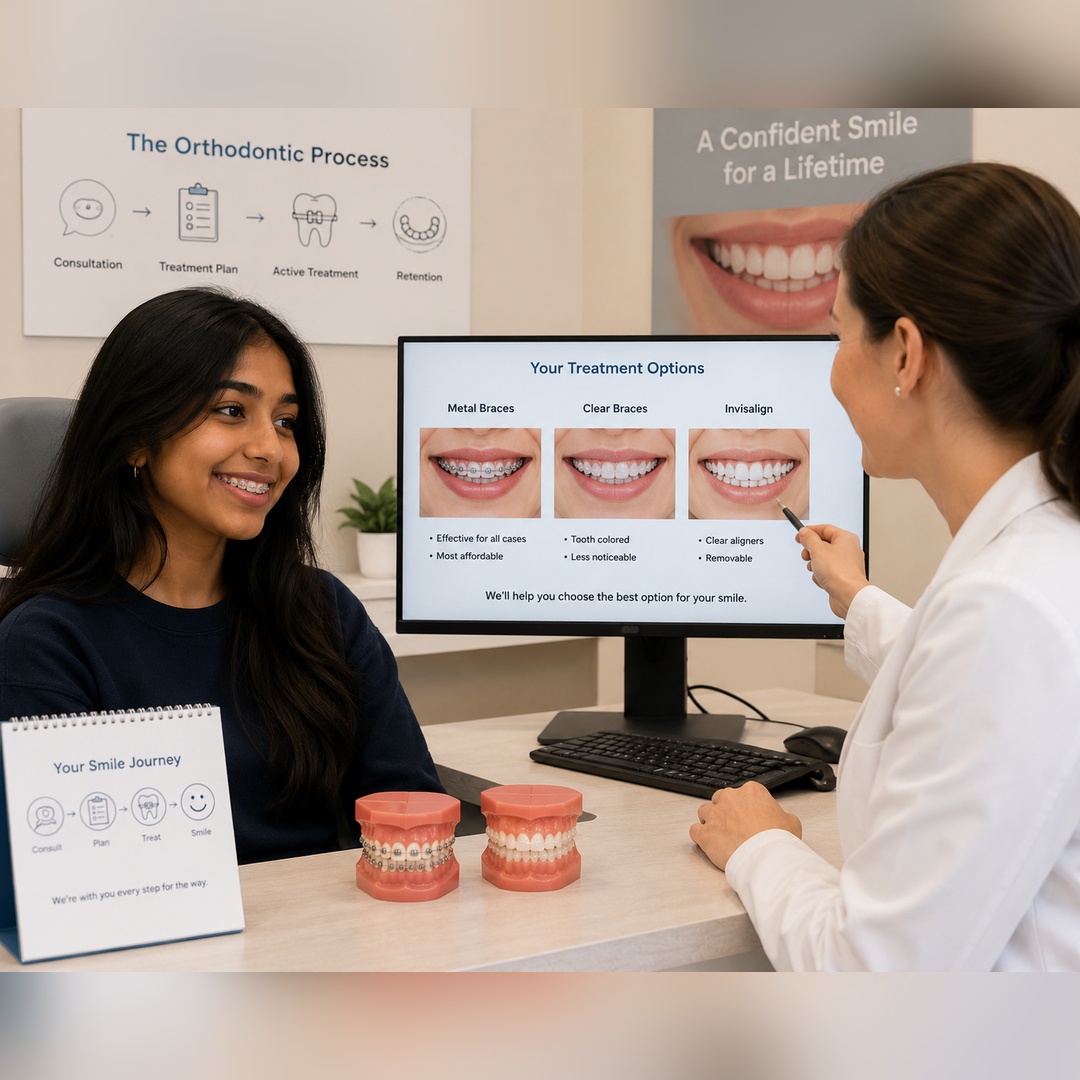
The Niramaya Approach
Growth-guided planning
We work with biology, not against it
Minimal intervention philosophy
Only treat when it truly benefits the child
Future-focused care
Reducing complexity of later orthodontics
Parent education
Clear, honest communication at every step
Frequently Asked Questions
1. At what age should my child be evaluated?
2. Will my child still need braces later?
3. Are these appliances uncomfortable?
4. Is it absolutely necessary?
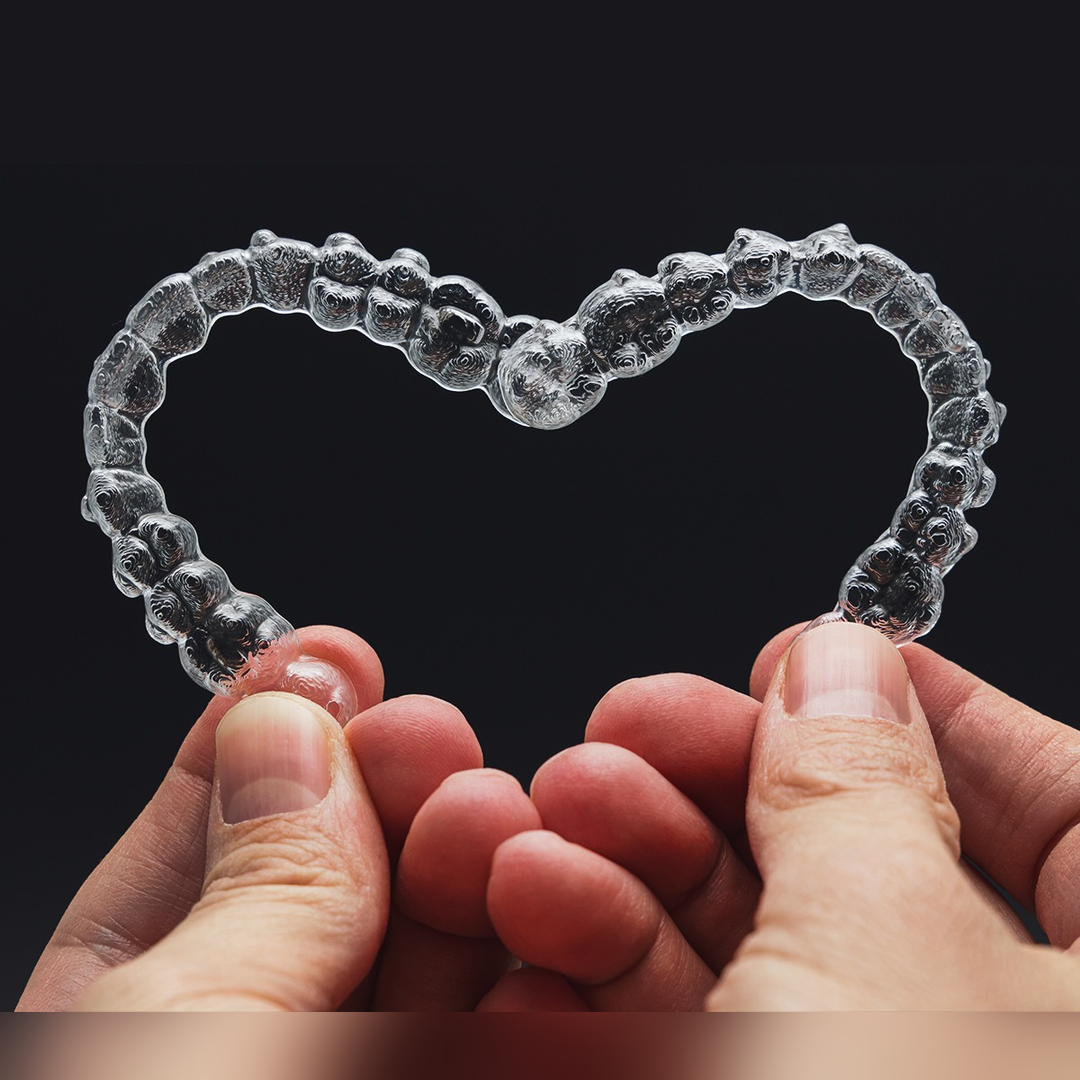
Aligners3-18 VISITS/ 6MONTHS-18 MONTHS
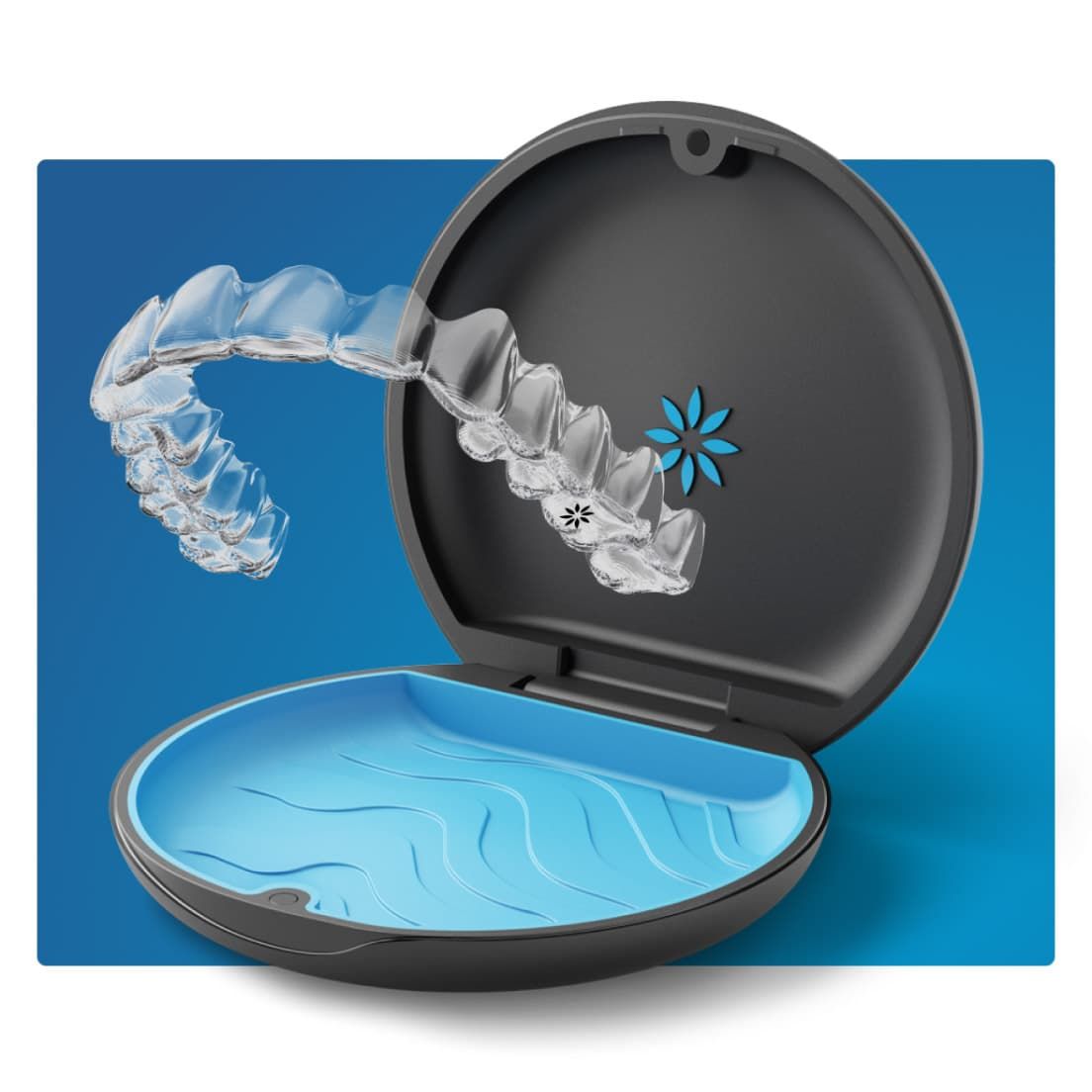
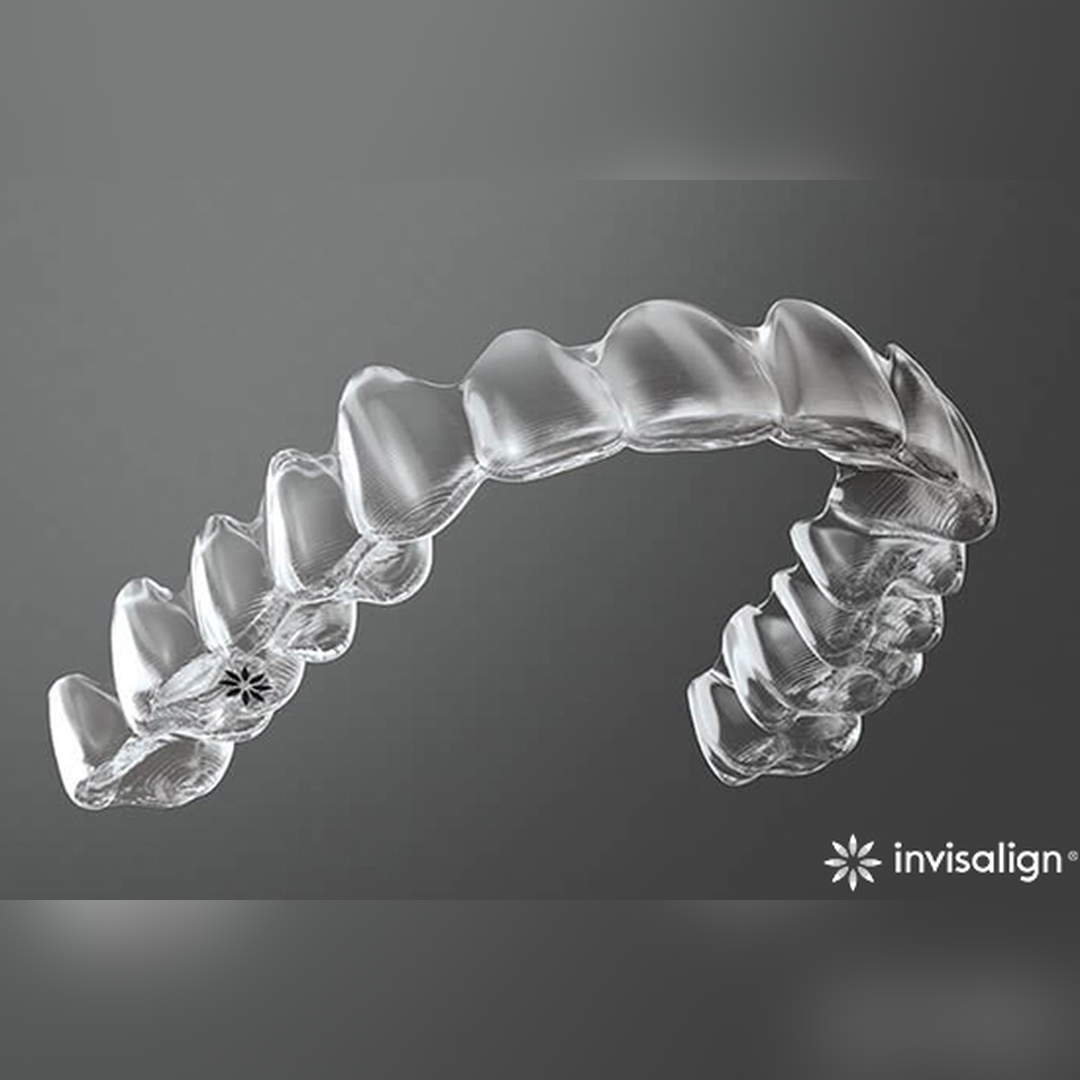
Clear aligners are a modern and discreet way to straighten teeth and correct bite problems (malocclusion). Instead of metal braces, this treatment uses a series of custom-made, transparent trays that gradually move your teeth into the desired position. They are designed using digital scans, allowing you to see a preview of your expected results even before starting.
Who is it for?
Clear aligners work well for many common concerns such as crowded teeth, gaps, overbite, underbite, and mild to moderate misalignment. They are especially popular among adults and young professionals who want a subtle treatment option. However, very complex cases may still require traditional braces or a combination of treatments.
How does the process work?
Your journey begins with a detailed consultation, including a 3D scan of your teeth and basic records. Based on this, a step-by-step digital plan is created. You will receive a series of aligners, each worn for about 1–2 weeks. Every new set gently shifts your teeth closer to the final position.
For best results, aligners should be worn for 20–22 hours a day. You can remove them while eating, drinking (anything other than water), and brushing your teeth, making them a convenient option for daily life.
What helps the aligners work better?
In some cases, small tooth-colored attachments are placed on certain teeth to help guide movement more precisely. Occasionally, minimal reshaping between teeth may be done to create space and improve alignment.
Advantages of clear aligners
Clear aligners are nearly invisible, comfortable, and easy to maintain. Since they are removable, you can brush and floss normally, reducing the risk of stains and gum issues often seen with braces. There are no wires or brackets, which means fewer chances of irritation or emergency visits.
Things to keep in mind
Success with aligners depends heavily on wearing them as advised. Skipping wear time can delay results or affect the outcome. Regular check-ups are important to track progress and make small adjustments if needed.
How long does treatment take?
Treatment time varies based on the complexity of your case, but most patients complete it within 6 to 18 months. After treatment, wearing retainers is essential to keep your teeth in their new position.
In simple terms, clear aligners offer a comfortable, aesthetic, and effective way to achieve a confident, well-aligned smile—provided they are used with proper guidance and commitment.
What can I expect when I come for Clear Aligners / Invisalign?
- A comprehensive evaluation to determine if clear aligners are suitable for you.
- Digital scanning and immediate outcome simulation to assess your post orthodontic corrected smile.
- Precise planning of custom made aligners.
- A series of aligners to be worn and changed at specific intervals.
- Comfortable, discreet orthodontic treatment.
- Guidance on care, cleaning, and maintaining your aligners.

The Niramaya Difference
Digitally Mapped Tooth Movementx
Each stage is pre-planned to ensure controlled, predictable alignment.Function Meets Aesthetics
Alignment is designed with bite correction and facial balance in mind.Clarity From Day One
Attachments, IPR, timelines, and expectations are explained upfront.Doctor-Led Monitoring
Regular clinical reviews ensure movements track accurately—not just software-driven.Seamless Everyday Integration
Designed to fit your routine, with ongoing support whenever needed.Clear aligner treatment works best when high-quality aligner systems are used. At Niramaya, we offer treatment using globally trusted brands.

Known for its SmartTrack™️ material and precise digital planning, Invisalign is often chosen for its comfortable fit, predictable results, and smooth overall treatment experience.
Often praised for their clarity and comfort, Spark aligners are known to be less noticeable and stain-resistant, with patients noting a snug fit and effective tooth movement.
Frequently Asked Questions
1. What are clear aligners?
2. How do clear aligners work?
To improve precision, small tooth-colored attachments or minimal enamel reshaping (IPR) may be used.
3. How long does treatment take?
Mild cases: 4–6 months
Moderate cases: 6–12 months
Complex cases: 12–18 months+
Consistency in wearing aligners plays a critical role in achieving timely results.
4. How many hours a day should I wear aligners?
5. Are clear aligners painful?
6. Can I eat and drink with aligners?
7. Will aligners affect my speech?
8. Are clear aligners as effective as braces?
For more complex orthodontic cases, your dentist may recommend braces or a hybrid treatment approach for optimal results.
9. How often are dental visits required?
10. What if I lose or damage an aligner?
11. Will I need retainers after treatment?
Most patients are advised night-time wear long-term to prevent relapse.
12. How do I clean my aligners?
Gently brush with a soft toothbrush
Use aligner cleaning solutions if needed
Avoid hot water, as it can distort the aligners.