
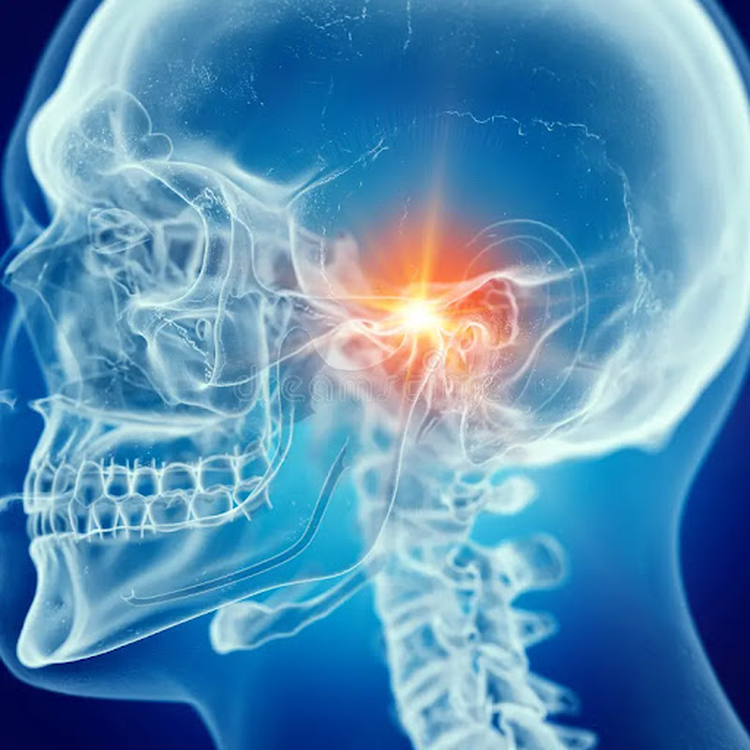

Craniofacial Pain & TMD Management & Rehabilitation
Craniofacial pain is pain felt in the head, face, jaw, mouth, or related neck structures. It can arise from muscles and joints, nerves, teeth, or headache mechanisms. Because facial sensation is dominated by the trigeminal system and closely linked with the upper cervical spine, symptoms often overlap (e.g., jaw pain with headaches or ear fullness).
TMD (Temporomandibular Disorders) are a subset of craniofacial pain involving the jaw muscles and the jaw joint (TMJ). Common features include jaw pain, clicking or locking, limited mouth opening, facial fatigue, and headaches. Modern care emphasizes conservative, reversible strategies and rehabilitation to restore movement control, reduce muscle overload, and calm pain sensitivity.
What can i expect when i come for Craniofacial Pain & TMJ Rehabilitation
Detailed Assessment
- Evaluation of jaw, muscles, and bite
- History of pain, habits, and triggers
- Identify underlying cause
- Conservative therapies (medication, exercises)
- Lifestyle and habit guidance
Appliance Phase (if needed)
- Custom appliance fabrication
- Instructions for use
Follow-Up
- Monitor response and adjust treatment
- Gradual progression based on improvement


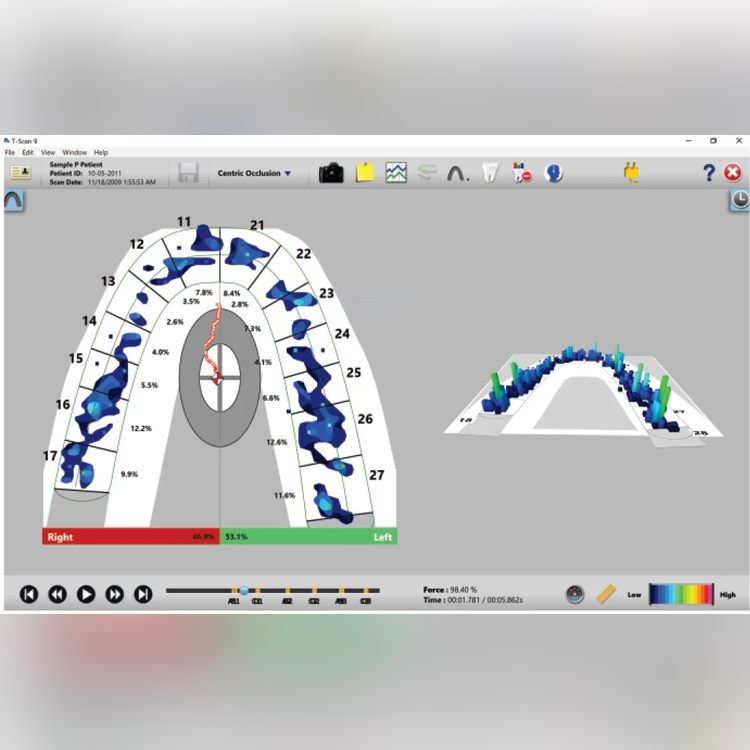
The Niramaya Difference
Diagnosis Beyond the Teeth
Evaluation includes joints, muscles, bite, and functional patterns—not just dental structures.
Differential Diagnosis Driven Care
We distinguish between muscular, joint-related, and occlusal causes to avoid misdirected treatment.
Stepwise, Reversible Approach
Initial management focuses on conservative, reversible therapies before considering advanced interventions.
Customised Appliance Therapy
Splints and devices are tailored precisely to your condition and response.
Integrated, Ongoing Support
Management often requires monitoring and adjustment—care continues beyond the initial phase.
Frequently Asked Questions
1. What is TMJ disorder?
2. What symptoms should I look out for?
Clicking or popping sounds
Difficulty opening the mouth fully
Headaches or facial pain
Ear discomfort or a feeling of fullness
Neck or shoulder tightness
3. What causes TMJ or facial pain?
Teeth grinding or clenching (bruxism)
Bite imbalance
Muscle strain or stress
Joint inflammation or internal derangement
Often, it’s a combination of factors rather than a single cause.
4. How is the condition diagnosed?
Detailed history of symptoms and habits
Examination of jaw movement, muscles, and bite
Imaging (if required)
The goal is to identify the exact source of pain before starting treatment.
5. Is TMJ treatment painful?
6. What treatments are commonly used?
Medications (if required)
Lifestyle and habit modification
Custom-made splints or night guards
7. Will I need surgery?
8. How long does it take to see improvement?
9. Can this condition come back?
10. What can I do at home to help?
Limit excessive jaw movements (like wide yawning)
Practice relaxation techniques
Follow prescribed exercises