
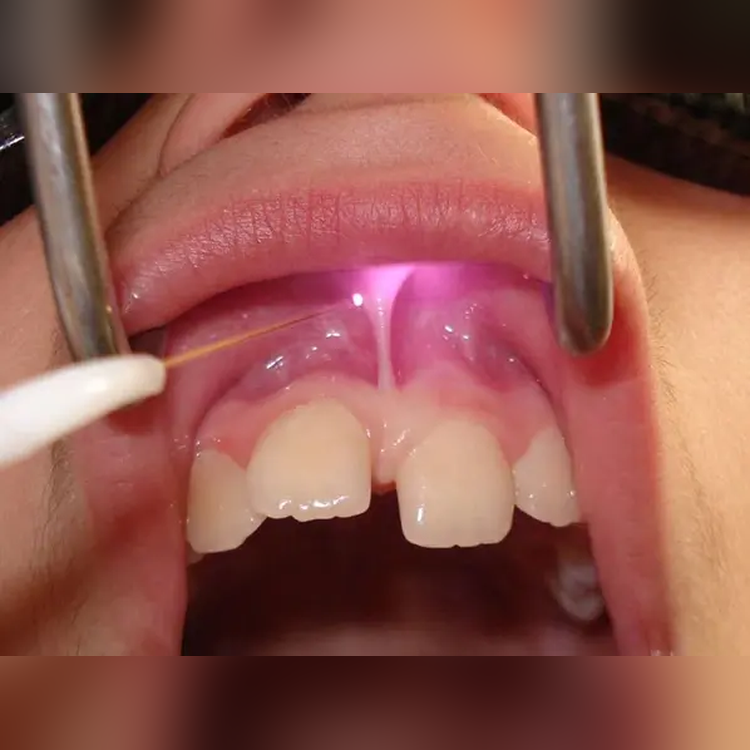
Advanced Gum Treatment 2-5VISITS/3-6 MONTHS
Gum diseases, also called periodontal diseases, are infectious conditions affecting the tooth supporting tissues. These conditions primarily impact the gums, but can also damage the underlying bone.
The most common form is gingivitis. This leads to gum inflammation, causing redness and bleeding when brushing.
um diseases usually arise from an excess of bacteria, which often occurs due to irregular oral hygiene practices. In some rare cases it is seen to develop without the presence of predisposing factors. This eventually leads to plaque buildup. Although bacterial infections are the main cause, several other factors can also play a role, such as
Keeping your gums healthy is vital for your overall oral and general well-being. By understanding gum diseases and taking proactive measures, you can help safeguard your teeth in the long run.
Signs of Gum Disease
While healthy gums should appear pink and firm, gum disease may present with the following symptoms


Treatment Options
Root Planing
This non-surgical deep cleaning process removes plaque, bacterial toxins, and tartar deposits from your teeth.
Incision and Drainage
Addressing gum abscesses caused by infection, this procedure involves draining pus that has collected between the teeth and gums.
Open Flap Debridement
For severe periodontitis, this surgery reaches deep below the gum pockets to eliminate harmful plaque and calculus, promoting gum health.
Gum Surgery for Gum Disease
Gum health is the foundation for strong teeth. Periodontal disease can lead to gum inflammation, redness, swelling, and bone loss around the teeth. The type of gum surgery required depends on the severity of your gum disease and the extent of damage. Our periodontal plastic surgery options include

What can i expect when i come for Advanced Gum Treatment
Evaluation
- Gum assessment and measurements
- X-rays if required
- Diagnosis and treatment planning
Treatment Phase
- Deep cleaning (scaling & root planing)
- Local anaesthesia for comfort
- Adjunct procedures if needed
Healing Phase
- Mild sensitivity or soreness
- Oral hygiene instructions
- Healing progress monitored
Follow-Up
- Review gum response
- Maintenance schedule for long-term health
- Preventive care guidance
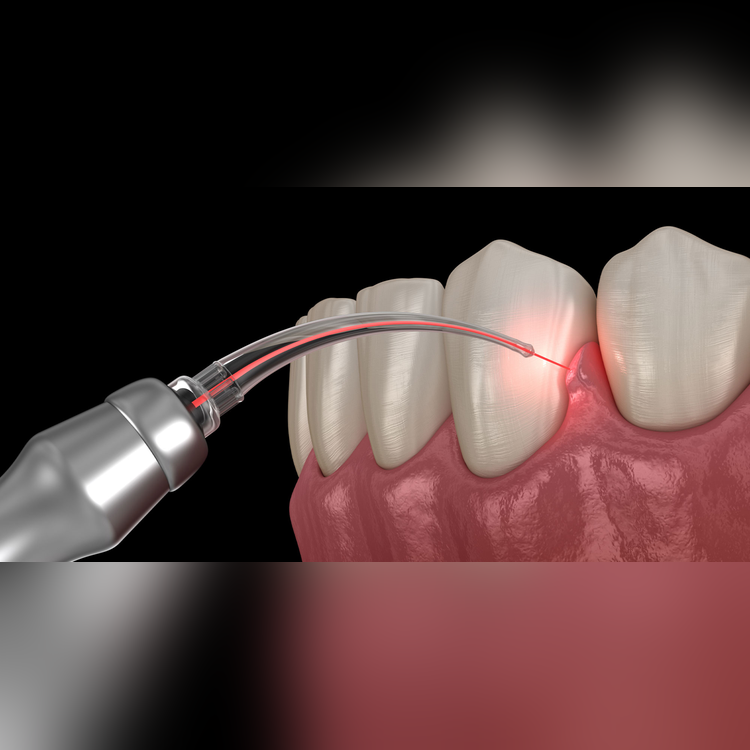
The Niramaya Difference
Early Detection, Targeted Therapy
Gum health is assessed with detailed clinical and radiographic evaluation to identify disease at its root.
Preservation Over Replacement
Wherever possible, we focus on saving natural teeth through evidence-based periodontal care.
Minimally Invasive Techniques
Modern approaches reduce discomfort while effectively managing infection and tissue loss.
Systemic Health Awareness
We recognise and address the link between gum health and overall health conditions.
Maintenance is the Treatment
Long-term success is built on structured recall and hygiene protocols—not one-time procedures.
Frequently Asked Questions
1. Do Gum Diseases get better on its Own?
2. How long does it take for gums to be healthy again?
3. Is gum disease treatable?
4. What are the first alarming signs of the beginning of gum disease?
• redness
• tenderness
• swollen gums
• bleeding while brushing
5. What are early signs of gum disease?
• Sore gums
• Bleeding gums
• Bad breath
• Loose teeth
• Gums pulling away from teeth
6. What is the advanced stage of gum disease?
It’s a small appointment that makes a meaningful difference over time.