
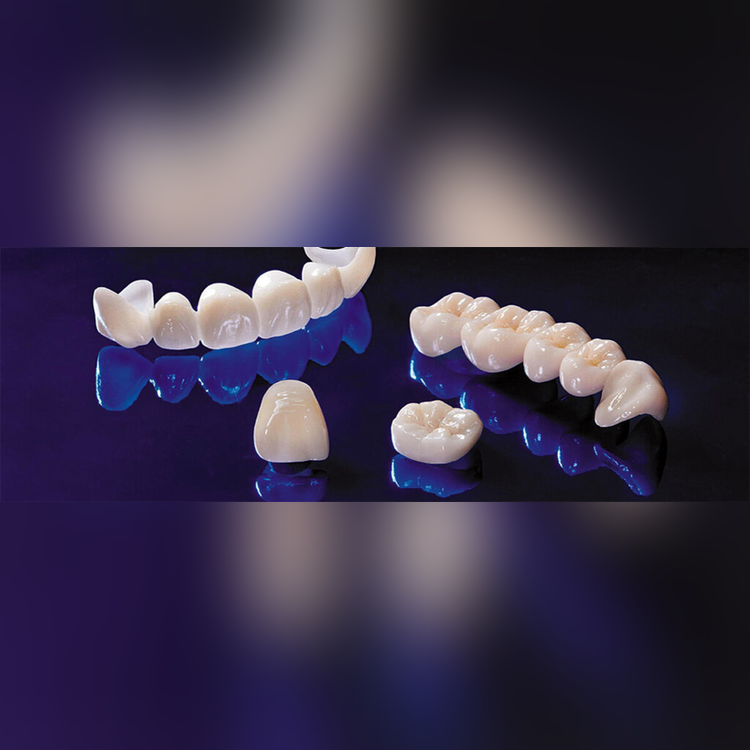

Crowns & Bridges 2-3 VISITS
Dental crowns and bridges are fixed prosthetic restorations used to restore damaged or missing teeth. A crown is a cap placed over a weakened or heavily restored tooth to restore its strength, shape, and function. A bridge replaces one or more missing teeth by anchoring an artificial tooth (pontic) to adjacent natural teeth or implants.
When are they needed?
Crowns are indicated for teeth with large restorations, fractures, post-root canal treatment, or significant wear. Bridges are recommended when one or more teeth are missing and the adjacent teeth are strong enough to support the restoration—or when supported by implants.
Materials used
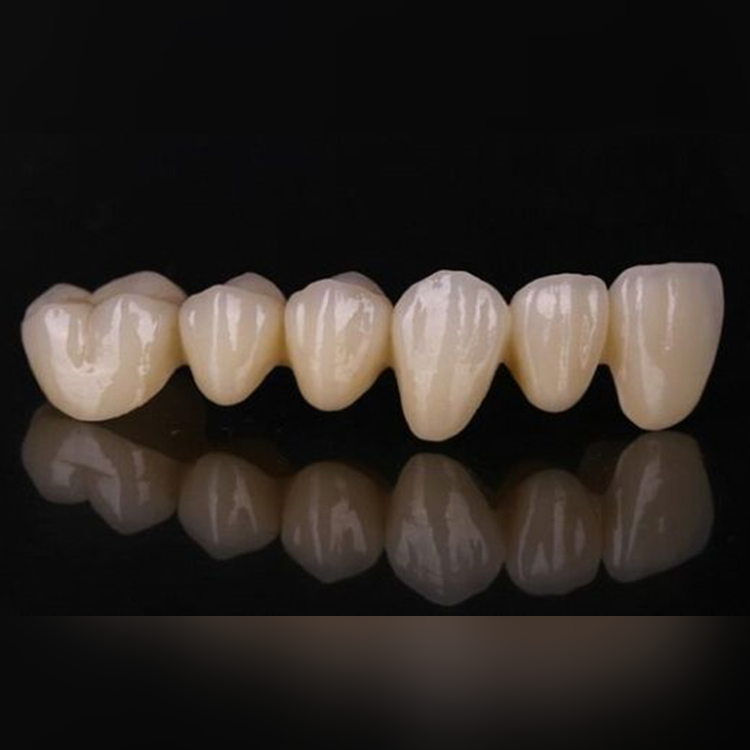
Modern crowns and bridges are fabricated using materials such as all-ceramic (zirconia, E-max), porcelain-fused-to-metal (PFM), or full metal alloys. The choice depends on functional load, esthetic demands, and case specifics.
Procedure in brief
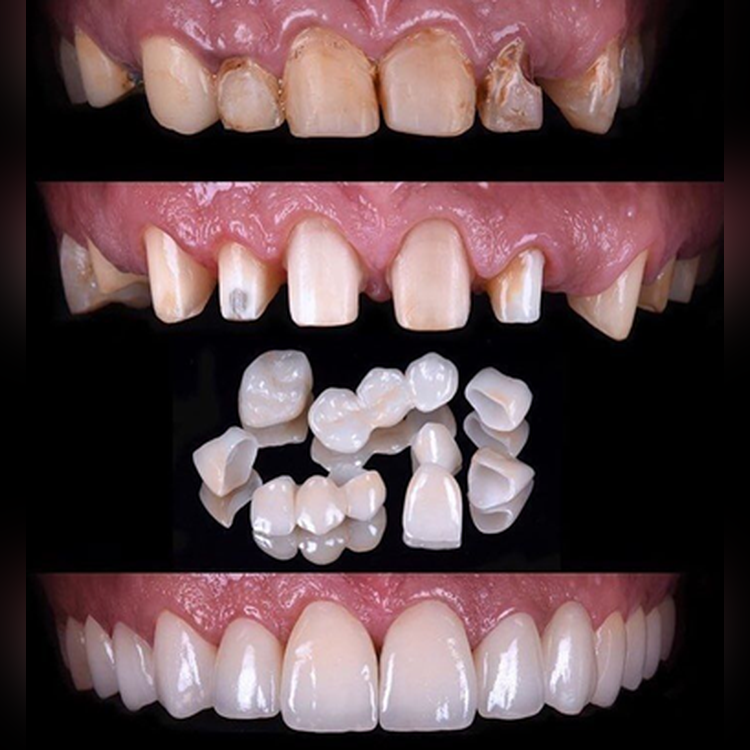
The tooth (or supporting teeth) is prepared, impressions or digital scans are taken, and a temporary restoration is placed. The final prosthesis is fabricated in a lab and later cemented or bonded permanently.
What can i expect when i come for Crowns & Bridges
Assessment & Planning
- Examine the tooth and surrounding gums
- X-rays or scans if required
- Discuss crown or bridge options
- Explanation of timelines and outcomes
Tooth Preparation
- Local anaesthesia for comfort
- Shaping of the tooth or teeth
- Digital scan or impression taken
- Temporary crown or bridge placed
Lab Phase
- Custom fabrication of the restoration
- Shade and shape matched naturally
- Fit and strength quality checked
Final Placement
- Check fit, margins, and appearance
- Adjust bite and contact points
- Final cementation performed
- Polishing and finishing completed
Follow-Up
- Review comfort and bite
- Minor adjustments if needed
- Guidance on care and maintenance
The Niramaya Difference
Precision Margins, Lasting Seals
Tooth preparation and margins are executed with accuracy to ensure long-term fit and prevent leakage.
Occlusion Comes First
Every crown or bridge is designed in harmony with your bite to avoid overload and failure.
Material Selection That Matters
We use globally benchmarked ceramics and alloys tailored to strength, aesthetics, and location.
Lab Collaboration, Not Outsourcing
Close coordination with skilled technicians ensures consistency from design to delivery.
Built for Longevity, Not Just Placement
The focus is on restorations that function predictably for years—not quick fixes.
Frequently Asked Questions
1. How Long Does A Dental Crown Last?
2. Does One Need a Crown After RCT?
3. What problems could develop with dental crowns?
• Discomfort or sensitivity
• Chipped crown
• Loose crown
• Crown falls off
• Allergic reactions
• Dark line on the crowned tooth next to the gum line
4. What should be done if a dental crown falls off?
5. What is the best Dental Crown Material?
6. Will my Crown Look Natural?
7. How many appointments does it take?
8. Can a crowned tooth get a cavity in the future?
It’s a small appointment that makes a meaningful difference over time.