

Wisdom Tooth Removal/ Surgical extractions SINGLE VISIT
When properly aligned, wisdom teeth can be a valuable asset. However, they often become misaligned or impacted, leading to various dental problems. Misalignment can cause crowding, damage to adjacent teeth, or jaw issues. Partially erupted wisdom teeth creates openings for bacteria, leading to increased risk of infection & decay.
Due to their location, it becomes difficult to clean wisdom teeth properly. This makes them more susceptible to gum disease and cavities. In many cases, dentists recommend removal to prevent future complications.
Why Might Wisdom Teeth Removal Treatment Be Necessary?
Gum Swelling and Infection: Wisdom teeth may emerge at an angle, partially erupt, and obstructed by neighboring teeth. This can lead to swollen and painful gums, as it’s challenging to maintain proper oral hygiene.
Tooth Decay: Due to their location at the back of the mouth, wisdom teeth are challenging to clean properly. Consequently, decay can occur. Impacted wisdom teeth are particularly prone to food trapping, resulting in decay on both the wisdom tooth and the adjacent tooth.
Cyst Formation: Cysts may develop around an unerupted wisdom tooth, initially harmless but potentially becoming infected and affecting nearby teeth and bone if left untreated.
The extraction of an impacted wisdom tooth often necessitates a surgical procedure. This involves creating a small incision in the gums and safely removing the tooth. The procedure is performed under local anesthesia, sedation, or general anesthesia, depending on the patient’s comfort level and the complexity of the case.
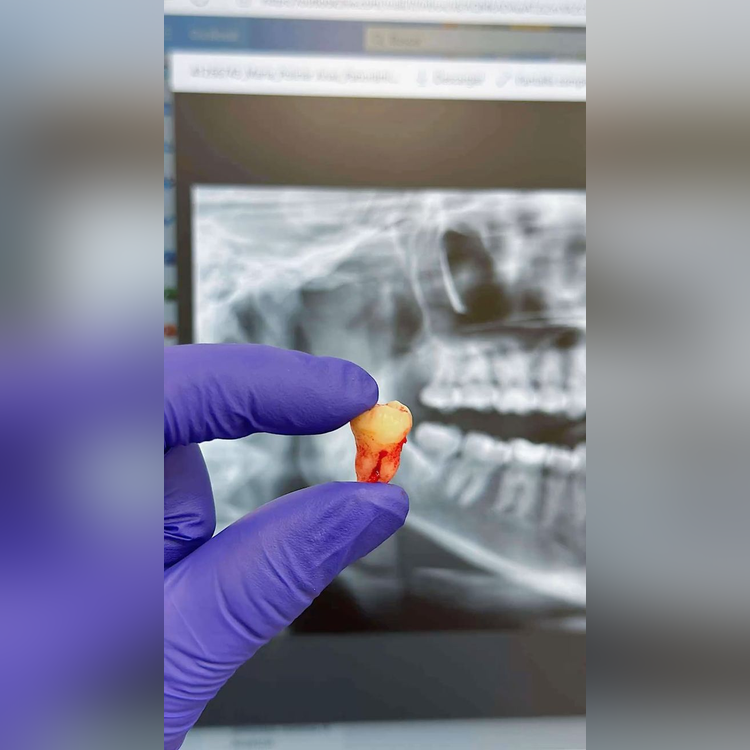
What can i expect when i come for wisdom tooth extraction
Assessment
- Clinical exam + X-ray
- Evaluate tooth position and difficulty
- Discuss procedure, risks, and recovery
Procedure Day
- Local anaesthesia (with/without sedation if needed)
- Surgical removal of tooth
- Sutures placed if required
- Detailed post-op instructions
Recovery Phase
- Mild swelling and discomfort for 2–3 days
- Medications prescribed
- Soft diet and rest advised
Follow-Up
- Review healing
- Suture removal (if non-resorbable)
- Address any concerns
Frequently Asked Questions
1. Do wisdom teeth need to be removed?
The wisdom tooth pain may be there, for at most a couple of days. If all the necessary precautions suggested by your dentist are followed, it leads to faster recovery.
2. Common Problems that a patient faces with impacted wisdom teeth?
• Pain and swelling
• Gum infection
• Tooth decay
• Damage to nearby teeth
• Cysts or tumors (rare)